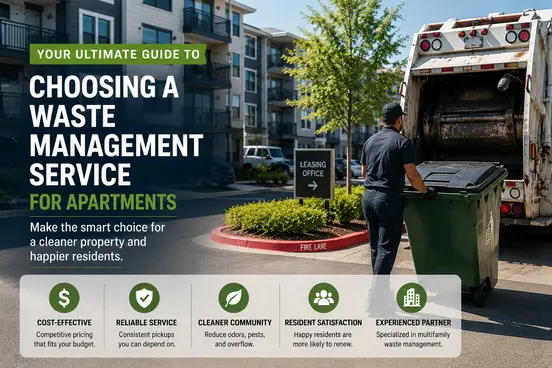
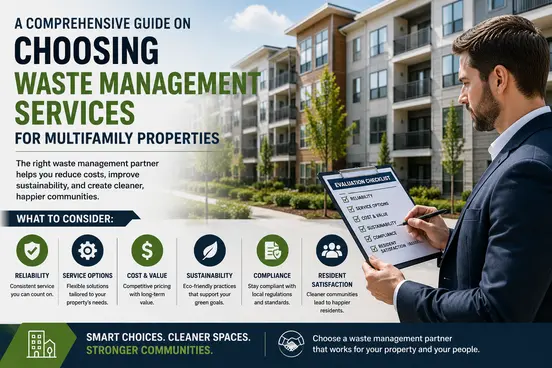
Effective waste management extends far beyond simple trash collection. It encompasses comprehensive waste management solutions that include recycling programs, hazardous waste disposal, and specialized services like trash valet services that enhance the resident experience. Modern multifamily housing waste disposal requires strategic planning, reliable service providers, and innovative approaches that address environmental concerns while maintaining cost-effectiveness.
The right waste management partner becomes an extension of your property management team, providing commercial cleaning solutions and environmental waste management practices that align with your property's goals. From luxury apartment complexes to affordable housing developments, each property type demands tailored approaches that consider resident demographics, building design, and local regulations. This comprehensive guide will walk you through the essential factors, evaluation criteria, and best practices for selecting waste management services that meet your property's unique needs while delivering exceptional value and reliability.
Understanding Your Waste Management Needs
Before exploring how to choose waste management services for multifamily properties, conducting a thorough assessment of your property's specific requirements is essential. The size and nature of your property significantly influence the type and frequency of services needed. A 50-unit garden-style complex generates different waste volumes and types compared to a 300-unit high-rise building with retail spaces on the ground floor.
Property characteristics that impact waste management needs include the number of units, building height and accessibility, available storage space for dumpsters or collection areas, and the presence of amenities like fitness centers, pools, or business centers. Each factor affects how waste is generated, collected, and processed. High-rise buildings may benefit from trash valet services that collect waste directly from residents' doors, while garden-style properties might require strategically placed collection points with easy access for service vehicles.
Understanding the specific types of waste your property generates is equally important. Residential units typically produce household waste, recyclables, and organic materials, but multifamily properties often generate additional waste streams including landscaping debris, maintenance materials, and bulk items from resident turnover. Some properties may need specialized disposal services for electronics, appliances, or hazardous materials like paint and batteries.
Resident demographics and lifestyle patterns also influence waste management requirements. Young professionals might generate more takeout containers and packaging materials, while family-oriented properties may produce larger volumes of general household waste. Properties with high turnover rates require flexible solutions for bulk item disposal during move-outs. Additionally, resident preferences for convenience services like door-to-door collection versus centralized dumpster access can guide your service selection decisions.
Key Factors to Consider When Choosing Waste Management Services
When evaluating how to choose waste management services for multifamily properties, several critical factors determine the success of your partnership. Reliability stands as the most important consideration, as inconsistent service directly impacts resident satisfaction and property cleanliness. Research potential providers' track records, including their history of on-time collections, response to service issues, and ability to maintain consistent schedules during holidays and adverse weather conditions.
The reputation of waste management companies can be assessed through online reviews, references from other property managers, and Better Business Bureau ratings. Established providers with strong local presence often demonstrate greater accountability and responsiveness. Companies specializing in multifamily housing waste disposal typically understand the unique challenges of residential properties and can provide more tailored solutions than general commercial waste services.
Service range and flexibility represent crucial evaluation criteria. Comprehensive providers offering integrated waste management solutions, commercial cleaning solutions, and specialized services like trash valet services can streamline vendor management and potentially reduce costs. Look for companies that can adapt their services as your property's needs evolve, whether due to occupancy changes, renovations, or new environmental initiatives.
Customization capabilities allow providers to tailor services to your property's specific requirements. This includes flexible collection schedules, various container sizes and types, seasonal service adjustments, and specialized handling for unique waste streams. Providers should demonstrate willingness to work with your property's constraints, such as limited access areas or specific collection time windows that minimize disruption to residents.
Cost considerations extend beyond basic service fees to include potential additional charges for extra pickups, container cleaning, or special waste handling. Request detailed pricing structures that outline all potential costs, including fuel surcharges, disposal fees, and equipment rental charges. Evaluate the total cost of ownership, considering factors like service reliability that can prevent costly emergency cleanups or resident complaints that impact retention rates.
Evaluating Provider Credentials
Professional credentials and proper licensing form the foundation of reliable waste management services. Verify that potential providers maintain all required local, state, and federal licenses for waste collection and disposal operations. These licenses ensure compliance with environmental regulations and demonstrate the company's commitment to legal and safe operations. Additionally, confirm that providers carry comprehensive insurance coverage, including general liability, vehicle insurance, and workers' compensation protection.
Environmental certifications and sustainability practices increasingly influence provider selection decisions. Look for companies that hold certifications from recognized environmental organizations or participate in industry sustainability programs. These credentials indicate commitment to environmental waste management practices and can support your property's green initiatives. Providers should demonstrate knowledge of local recycling requirements and offer programs that help maximize waste diversion from landfills.
Technology integration and equipment quality significantly impact service effectiveness and efficiency. Modern waste management companies utilize GPS tracking systems for route optimization, automated scheduling platforms for service coordination, and mobile applications for real-time communication. Advanced equipment including fuel-efficient collection vehicles, automated lifting systems, and properly maintained containers ensures reliable service and minimizes disruptions to your property.
Safety protocols and training programs demonstrate provider professionalism and reduce liability risks. Inquire about employee background checks, safety training requirements, and accident prevention measures. Companies with strong safety records typically maintain better employee retention, leading to more consistent service and familiar staff who understand your property's specific requirements.
Financial stability of waste management providers affects long-term service reliability. Research company ownership, years in business, and financial health indicators. Established companies with strong financial foundations are better positioned to maintain consistent service, invest in equipment upgrades, and weather economic challenges without service disruptions.
The Role of Technology in Waste Management
Modern waste management increasingly relies on technological innovations that enhance efficiency, transparency, and environmental sustainability. When considering how to choose waste management services for multifamily properties, understanding available technology solutions helps identify providers that can deliver superior service and value. GPS tracking systems enable real-time monitoring of collection vehicles, providing accurate service verification and allowing for proactive communication about potential delays or schedule changes.
Digital platforms and mobile applications facilitate seamless communication between property managers and waste management providers. These systems allow for service requests, schedule modifications, and issue reporting through user-friendly interfaces. Advanced platforms provide automated notifications about completed services, upcoming collections, and any service exceptions that require attention. This transparency improves operational efficiency and helps property managers stay informed about waste management activities without constant phone calls or emails.
Data analytics and reporting capabilities provide valuable insights into waste generation patterns, service efficiency, and cost optimization opportunities. Sophisticated providers offer detailed reports showing collection frequencies, waste volumes, recycling rates, and service performance metrics. This data enables property managers to make informed decisions about service adjustments, identify cost-saving opportunities, and demonstrate environmental stewardship to residents and stakeholders.
Smart container technology represents an emerging trend in multifamily housing waste disposal. Sensors installed in dumpsters and collection containers monitor fill levels, enabling optimized collection schedules that reduce unnecessary trips while preventing overflow situations. This technology particularly benefits properties with variable occupancy or seasonal fluctuations in waste generation.
Sustainability tracking through technology helps properties achieve environmental goals and potentially reduce disposal costs. Advanced waste management systems can track recycling rates, diversion percentages, and carbon footprint reductions. Some providers offer online dashboards where property managers can monitor their environmental impact and generate reports for sustainability initiatives or regulatory compliance requirements.
Tips for Collaborating with Waste Management Providers
Establishing effective partnerships with waste management providers requires clear communication, defined expectations, and ongoing collaboration. Successful relationships begin with comprehensive service agreements that outline specific responsibilities, performance standards, and communication protocols. These agreements should detail collection schedules, container maintenance requirements, emergency procedures, and escalation processes for addressing service issues.
Regular communication maintains strong provider relationships and ensures service quality. Schedule periodic meetings with your waste management provider to review service performance, discuss any challenges, and explore opportunities for improvement. Many providers appreciate feedback and can adjust their services based on your property's evolving needs. Maintain open dialogue about resident feedback, seasonal changes, and any upcoming property modifications that might affect waste collection.
Setting clear expectations for service levels helps prevent misunderstandings and ensures consistent performance. Define acceptable response times for service requests, standards for container cleanliness and placement, and procedures for handling special situations like bulk item pickup or emergency collections. Document these expectations in writing and review them regularly with your provider.
Implementing feedback mechanisms creates opportunities for continuous service improvement. Encourage residents to report waste management issues through established channels, and share this feedback constructively with your provider. Many successful property managers maintain service logs that track collection times, container conditions, and any service exceptions, providing valuable data for performance discussions.
Collaborative problem-solving strengthens provider relationships and often leads to innovative solutions. When challenges arise, work with your provider to identify root causes and develop effective solutions. Providers with experience in multifamily properties often have valuable insights and may suggest operational improvements that benefit both parties.
Case Studies: Successful Waste Management in Multifamily Properties
Real-world examples demonstrate how strategic waste management decisions create value for multifamily properties. A 200-unit luxury apartment complex in Virginia successfully implemented comprehensive waste management solutions that included traditional collection services combined with weekly trash valet services. This hybrid approach allowed residents to choose their preferred disposal method while maintaining property cleanliness and resident satisfaction scores above 90%.
The property management team initially struggled with overflowing dumpsters and complaints about odors near collection areas. After partnering with a full-service provider specializing in multifamily housing waste disposal, they implemented a data-driven approach that analyzed waste generation patterns and optimized collection schedules. The provider installed smart sensors in dumpsters to monitor fill levels and adjusted pickup frequencies accordingly, reducing overflow incidents by 85% while maintaining cost-effective operations.
Another successful implementation involved a 150-unit affordable housing property that needed to balance comprehensive services with budget constraints. The property manager worked with their waste management provider to develop a customized solution that included standard collection services, monthly bulk item pickup, and quarterly electronics recycling events. This approach addressed resident needs while maintaining predictable costs and supporting the property's commitment to environmental responsibility.
A mixed-use development with 300 residential units and ground-floor retail spaces faced unique challenges requiring specialized waste management solutions. The provider developed separate collection schedules and container systems for residential and commercial waste streams, ensuring compliance with different disposal requirements while maximizing operational efficiency. The integrated approach simplified vendor management and achieved cost savings through consolidated services.
These case studies highlight the importance of customized solutions, data-driven decision making, and strong provider partnerships. Successful implementations typically involve thorough needs assessment, clear communication of expectations, and ongoing collaboration to refine services based on performance data and resident feedback. Properties that invest time in selecting the right provider and maintaining strong relationships consistently achieve better outcomes in terms of cost management, service quality, and resident satisfaction.
Conclusion and Next Steps
Selecting the right waste management partner for your multifamily property requires careful consideration of multiple factors, from service reliability and cost-effectiveness to technological capabilities and environmental stewardship. The process of how to choose waste management services for multifamily properties involves thorough assessment of your property's unique needs, evaluation of provider credentials and capabilities, and establishment of clear performance expectations and communication protocols.
The investment in comprehensive waste management solutions pays dividends through improved resident satisfaction, enhanced property value, and operational efficiency. Properties that partner with experienced providers specializing in multifamily housing waste disposal often achieve better outcomes than those relying on generic commercial services. The right provider becomes a valuable extension of your property management team, offering expertise, reliability, and innovative solutions that address evolving challenges.
Success in waste management partnerships depends on ongoing collaboration, regular performance evaluation, and willingness to adapt services as property needs change. By following the guidelines and best practices outlined in this comprehensive guide, property managers can make informed decisions that deliver long-term value for their properties and residents.
Ready to optimize your property's waste management with professional, reliable services?
Contact First Priority Disposal today for a comprehensive consultation tailored to your multifamily property's unique needs. Our experienced team specializes in trash valet services, waste management solutions, and commercial cleaning services designed specifically for residential communities.
Call us at 757-250-7985 or visit https://firstprioritydisposal.com/ to schedule your free assessment and discover how our customized approach can enhance your property's operations while delivering exceptional value and resident satisfaction.