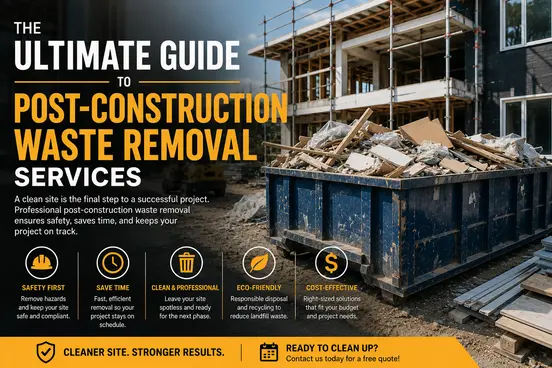
Construction projects mark significant milestones for property managers, developers, and commercial property owners. Whether you've completed a new apartment complex, renovated office spaces, or finished a major construction project, the aftermath presents a critical challenge that can't be overlooked: managing the substantial amount of waste left behind.
Post-construction waste removal services represent the crucial final phase of any building project, transforming cluttered construction sites into pristine, move-in-ready properties. This comprehensive process involves far more than simply hauling away debris – it requires specialized expertise, proper equipment, regulatory compliance, and environmental responsibility.
For property managers and construction companies, understanding the intricacies of effective waste management can mean the difference between seamless project completion and costly delays. The volume and variety of materials generated during construction projects demand professional handling to ensure safety, compliance, and environmental stewardship.
This guide explores every aspect of post-construction waste removal services, from identifying different waste types to selecting the right service provider. We'll examine cost factors, sustainable practices, and real-world applications that demonstrate the value of professional waste management solutions. By the end, you'll possess the knowledge needed to make informed decisions about post-construction cleanup that protect your investment, timeline, and reputation.
Benefits of Professional Post-Construction Waste Removal
Professional post-construction waste removal services provide comprehensive safety benefits that protect all stakeholders involved in construction projects. Construction sites contain numerous hazards including sharp metal fragments, broken glass, exposed nails, and unstable debris piles that create significant injury risks. Professional waste management teams possess the training, equipment, and experience necessary to safely handle these materials, reducing liability exposure for property managers and construction companies.
Safety protocols employed by professional services include proper personal protective equipment, specialized lifting and moving techniques, and hazardous material identification procedures. These measures prevent injuries that could result in workers' compensation claims, project delays, or legal complications. Additionally, professional teams understand how to navigate construction sites safely, avoiding damage to newly completed structures or installed systems.
Compliance with local waste disposal regulations represents another crucial benefit of professional services. Municipal and state regulations governing construction waste disposal continue to evolve, with increasing emphasis on environmental protection and recycling requirements. Professional waste management companies maintain current knowledge of these regulations and possess the necessary permits and certifications to ensure compliant disposal practices.
Environmental benefits of proper waste disposal extend far beyond regulatory compliance. Professional post-construction waste removal services implement recycling programs that divert significant percentages of construction materials from landfills. Concrete can be crushed and reused for road base, metals can be recycled into new products, and wood materials can be processed into mulch or biomass fuel. These practices reduce environmental impact while often providing cost savings through reduced disposal fees.
Time savings and hassle reduction represent significant operational benefits for property managers and construction companies. Coordinating waste removal internally requires substantial time investment in scheduling, equipment rental, permit acquisition, and disposal site coordination. Professional services eliminate these administrative burdens while ensuring efficient, timely completion of waste removal activities.
Professional services also provide scalability that matches project requirements. Large construction projects generate substantial waste volumes that exceed the capacity of standard waste management approaches. Professional companies possess the equipment, personnel, and logistical capabilities necessary to handle projects of any size efficiently. This scalability ensures that waste removal activities don't become bottlenecks in project completion timelines.
Types of Post-Construction Waste
Understanding the diverse categories of post-construction waste enables property managers and construction companies to plan effectively for removal and disposal requirements. Construction projects generate materials that vary significantly in handling requirements, disposal methods, and regulatory considerations. Proper classification ensures appropriate treatment and compliance with environmental regulations.
Non-hazardous construction waste comprises the largest volume category in most projects. This includes concrete debris, asphalt materials, brick and masonry waste, metal scraps including steel beams and rebar, wood materials from framing and finishing work, drywall and gypsum products, roofing materials, insulation, and packaging materials. These materials generally require standard disposal or recycling procedures, though volume and weight considerations necessitate specialized equipment and transportation methods.
Concrete and masonry materials often represent the heaviest waste components, requiring specialized handling equipment and transportation to facilities equipped for crushing and recycling. Metal materials typically possess recycling value that can offset disposal costs, making proper separation and handling economically beneficial. Wood waste may be suitable for recycling into mulch, biomass fuel, or engineered wood products, depending on treatment chemicals and contamination levels.
Hazardous waste materials require specialized handling, transportation, and disposal procedures governed by strict regulatory requirements. These materials include asbestos-containing materials found in older buildings, lead-based paint and contaminated materials, chemical containers and residues from construction processes, batteries from equipment and tools, fluorescent bulbs and fixtures containing mercury, and petroleum products including fuel, oil, and hydraulic fluids.
Hazardous waste identification requires trained professionals who understand regulatory definitions and proper handling procedures. Improper disposal of hazardous materials can result in significant fines, environmental damage, and legal liability. Professional waste management companies possess the certifications and expertise necessary to identify, handle, and dispose of hazardous materials safely and legally.
Electronic waste represents a growing category in modern construction projects. This includes outdated electrical components, communication system materials, lighting fixtures with electronic components, and construction equipment batteries. Electronic waste often contains valuable materials suitable for recycling but may also contain hazardous substances requiring special handling.
Accurate waste classification impacts disposal costs, regulatory compliance, and environmental responsibility. Mixed waste streams often result in higher disposal costs and limited recycling opportunities. Professional construction cleanup services possess the expertise to maximize recycling opportunities while ensuring proper handling of all waste categories.
Choosing the Right Waste Removal Service
Selecting an appropriate waste management provider requires careful evaluation of multiple factors that directly impact project success, cost efficiency, and regulatory compliance. The decision extends beyond simple cost considerations to encompass service reliability, regulatory expertise, environmental responsibility, and operational compatibility with project requirements.
Experience and expertise in construction cleanup services represent fundamental selection criteria. Providers with extensive construction waste management experience understand the unique challenges, regulatory requirements, and logistical considerations involved in post-construction projects. This experience translates into more efficient service delivery, fewer complications, and better problem-solving capabilities when unexpected issues arise.
Evaluate potential providers' equipment capabilities and fleet composition. Post-construction waste removal requires specialized equipment including roll-off containers, front-load dumpsters, compactors, and specialized vehicles for different material types. Providers should possess equipment appropriate for your project's scale, site access limitations, and waste volume requirements. Additionally, backup equipment availability ensures service continuity if primary equipment experiences mechanical issues.
Regulatory compliance and certifications provide essential verification of provider capabilities. Legitimate waste management companies maintain proper licensing, insurance coverage, and environmental permits required for legal operation. Verify that potential providers possess appropriate state and local permits, maintain adequate liability insurance coverage, and demonstrate compliance with environmental regulations governing waste transportation and disposal.
Service area coverage and response capabilities affect service reliability and cost efficiency. Local providers often offer faster response times and lower transportation costs, while regional providers may offer broader service capabilities and specialized expertise. Consider the provider's ability to accommodate emergency cleanup requirements, schedule flexibility, and coordination with other project activities.
Environmental responsibility and recycling capabilities increasingly influence provider selection decisions. Progressive waste management companies implement comprehensive recycling programs that divert significant percentages of construction materials from landfills. These programs often provide cost savings through reduced disposal fees while supporting corporate sustainability initiatives and regulatory requirements.
Customer references and project portfolios provide valuable insights into provider performance and reliability. Request references from similar projects and contact previous customers to discuss service quality, reliability, problem resolution, and overall satisfaction. Review case studies or project portfolios that demonstrate the provider's experience with projects similar in scope, complexity, and requirements to your needs.
Pricing structure transparency ensures accurate cost planning and prevents unexpected expenses. Reputable providers offer clear pricing structures that specify costs for different services, equipment rentals, disposal fees, and additional charges. Avoid providers who are reluctant to provide detailed pricing information or who quote prices significantly below market rates, as these may indicate hidden costs or service limitations.
First Priority Disposal's Post-Construction Waste Removal Services
First Priority Disposal brings extensive expertise in post-construction waste removal services specifically designed for property managers, apartment complex owners, and commercial property developers. Our comprehensive approach addresses every aspect of construction cleanup, from initial site assessment through final disposal and recycling, ensuring seamless transitions from construction completion to occupancy readiness.
Our post-construction cleaning services encompass complete debris removal, site preparation, and detailed cleanup that meets the exacting standards required for property management applications. We understand that apartment complexes and commercial properties require thorough cleanup that creates positive impressions for prospective tenants and maintains property values. Our trained teams possess the equipment and expertise necessary to transform construction sites into pristine, move-in-ready environments.
Commercial waste services provided by First Priority Disposal extend beyond simple debris removal to include comprehensive waste management solutions tailored to ongoing property operations. We recognize that property managers require reliable, long-term partnerships that support both initial cleanup requirements and ongoing waste management needs. Our services seamlessly transition from post-construction cleanup to regular waste management and property maintenance services.
Environmental responsibility represents a core component of our service philosophy. Our recycling construction waste programs divert significant percentages of materials from landfills while providing cost savings for our clients. We maintain partnerships with recycling facilities that process concrete, metals, wood, and other construction materials into useful products. This approach supports our clients' sustainability initiatives while often reducing overall waste management costs.
Our environmental waste disposal practices exceed regulatory requirements through proactive environmental stewardship. We maintain current certifications and training in hazardous material handling, ensuring safe and legal disposal of all waste categories encountered in construction projects. Our team understands the complex regulatory landscape governing construction waste disposal and maintains compliance protocols that protect our clients from liability exposure.
Property maintenance services integration allows First Priority Disposal to serve as a comprehensive facilities services partner beyond initial construction cleanup. Property managers benefit from establishing relationships with service providers who understand their properties, requirements, and operational preferences. Our ability to provide ongoing janitorial services, regular waste management, and facility maintenance creates operational efficiencies and cost savings through consolidated service relationships.
Customer testimonials consistently highlight our reliability, professionalism, and attention to detail that property managers require. Clients appreciate our ability to coordinate with construction schedules, accommodate tight timelines, and deliver results that meet their exacting standards. Our communication protocols ensure that property managers remain informed throughout the cleanup process, enabling effective coordination with other project activities and stakeholder communications.
First Priority Disposal's local presence and community focus provide advantages in responsiveness, cost efficiency, and service customization. Our understanding of local regulations, disposal facilities, and recycling opportunities enables optimized service delivery that maximizes value for our clients. We maintain the flexibility to accommodate unique project requirements while providing the reliability and professionalism that successful property management demands.
The Process of Post-Construction Waste Removal
Professional post-construction waste removal follows a systematic process designed to ensure thorough cleanup, regulatory compliance, and efficient project completion. Understanding this process enables property managers and construction companies to plan effectively and coordinate waste removal activities with other project requirements.
The initial site assessment phase involves comprehensive evaluation of waste volumes, material types, site access conditions, and special handling requirements. Professional teams conduct detailed inspections to identify hazardous materials, assess equipment requirements, and develop customized removal plans. This assessment phase prevents surprises and ensures appropriate resource allocation for efficient project completion.
During site assessment, professionals evaluate access routes for removal equipment, identify potential obstacles or complications, and coordinate with ongoing construction activities. This planning phase ensures that waste removal activities don't interfere with other project components while maximizing efficiency and safety. Assessment results inform equipment selection, crew size determination, and timeline development.
Material sorting and categorization represent critical process components that maximize recycling opportunities and ensure proper disposal methods. Professional teams separate materials based on recycling potential, disposal requirements, and regulatory classifications. This sorting process often occurs on-site to optimize transportation efficiency and disposal cost management.
The removal and transportation phase utilizes specialized equipment appropriate for different material types and volumes. Roll-off containers handle large volumes of mixed debris, while specialized vehicles transport hazardous materials or valuable recyclables. Professional teams coordinate transportation schedules to minimize site disruption while ensuring efficient material flow to appropriate disposal or recycling facilities.
Quality control and final inspection procedures ensure complete site cleanup and customer satisfaction. Professional teams conduct thorough final inspections to identify any remaining debris or areas requiring additional attention. This quality assurance process prevents callbacks and ensures that properties meet the cleanliness standards required for occupancy or subsequent development phases.
Timeline expectations for typical post-construction waste removal depend on project size, waste volume, and site conditions. Small residential projects may require one to two days, while large commercial developments might need several weeks for complete cleanup. Professional providers develop realistic timelines based on project-specific factors and maintain communication throughout the process to address any schedule adjustments required.
Case Studies of Successful Waste Management
A recent apartment complex development project in Virginia Beach demonstrates the value of professional post-construction waste removal services for multifamily housing developers. The 200-unit complex generated substantial construction debris including concrete, metal framing materials, drywall waste, and packaging materials. First Priority Disposal coordinated a comprehensive cleanup that removed over 150 tons of materials while achieving a 75% recycling rate.
The project's success resulted from careful planning and coordination between the construction team, property management company, and waste removal specialists. Early involvement in project planning allowed for strategic debris container placement and efficient removal scheduling that didn't interfere with final construction activities. The systematic approach prevented debris accumulation that could have created safety hazards or delayed project completion.
Environmental impact reduction represented a significant project outcome through aggressive recycling initiatives. Concrete materials were transported to crushing facilities for road base production, metal components were processed for steel manufacturing, and wood materials were converted to biomass fuel. This environmental stewardship supported the developer's sustainability initiatives while reducing disposal costs by approximately 30%.
A commercial office renovation project illustrates the complexity of waste management for construction companies working in occupied buildings. The project required careful coordination to minimize disruption to existing tenants while managing the removal of hazardous materials including asbestos-containing ceiling tiles and lead-based paint debris. Professional waste management ensured regulatory compliance while maintaining project schedules.
Specialized handling procedures for hazardous materials included containment protocols, certified transportation, and documented disposal at approved facilities. These procedures prevented environmental contamination and liability exposure while ensuring compliance with strict regulatory requirements. The project's success demonstrated the value of professional expertise in managing complex waste streams safely and legally.
Customer satisfaction outcomes from these projects highlight the importance of professional post-construction waste removal services for property managers. Clean, debris-free properties enabled faster tenant occupancy and positive first impressions that supported leasing objectives. Property managers reported significant time savings through professional waste management coordination compared to internal management approaches.
The case studies demonstrate measurable benefits including reduced project completion timelines, lower overall costs through recycling programs, eliminated safety and liability risks, improved environmental outcomes, and enhanced property marketability. These results illustrate why successful property managers and construction companies increasingly rely on professional waste management services for post-construction cleanup requirements.
Cost Factors in Post-Construction Waste Removal
Understanding cost factors in post-construction waste removal enables accurate budget planning and informed decision-making for property managers and construction companies. Multiple variables influence pricing, and comprehensive cost analysis extends beyond initial service fees to include potential savings and risk mitigation benefits.
Waste volume and weight represent primary cost determinants in most pricing structures. Larger projects generate proportionally higher costs due to increased container requirements, transportation needs, and disposal fees. However, economies of scale often provide per-unit cost advantages for larger projects compared to smaller cleanup requirements. Professional providers typically offer volume-based pricing that reflects these efficiencies.
Material composition significantly impacts disposal costs due to varying processing requirements and disposal fees. Hazardous materials require specialized handling and disposal at certified facilities, resulting in substantially higher costs compared to standard construction debris. Conversely, materials with recycling value may reduce overall costs through avoided disposal fees or revenue sharing arrangements.
Site accessibility and logistics affect equipment requirements and labor costs. Projects with limited access may require smaller equipment and additional labor, increasing overall costs. Conversely, sites with excellent access and staging areas enable efficient operations that reduce costs. Geographic location influences transportation costs to disposal and recycling facilities, with remote locations typically incurring higher transportation expenses.
Timeline requirements and scheduling flexibility impact pricing through resource allocation and operational efficiency considerations. Rush projects requiring immediate service or weekend work typically incur premium pricing. Flexible scheduling that allows providers to optimize routes and equipment utilization often provides cost advantages for clients with adaptable timelines.
Regulatory compliance requirements add costs but provide essential protection against fines and legal liability. Proper hazardous material handling, environmental compliance, and documentation requirements involve additional expenses that represent valuable insurance against regulatory violations. These compliance costs should be viewed as necessary investments in risk mitigation rather than optional expenses.
Budgeting strategies should account for potential cost variations and unexpected requirements that commonly arise in construction projects. Establishing contingency allowances of 10-15% above initial estimates provides flexibility to address unforeseen circumstances without budget overruns. Early provider engagement enables more accurate cost estimation and better budget planning through professional site assessment and waste volume projections.
Sustainable Practices in Waste Management
First Priority Disposal implements comprehensive sustainable practices that minimize environmental impact while providing cost benefits for property managers and construction companies. Our commitment to environmental responsibility extends beyond regulatory compliance to encompass proactive stewardship that supports our clients' sustainability initiatives and corporate responsibility objectives.
Our recycling construction waste programs achieve diversion rates exceeding 70% for most projects through strategic material separation and processing partnerships. We maintain relationships with specialized recycling facilities that process concrete into road base materials, metals into new steel products, and wood waste into biomass fuel or engineered lumber products. These programs reduce landfill disposal while often providing cost savings through reduced disposal fees.
Environmental waste disposal practices incorporate advanced sorting techniques that maximize recycling opportunities while ensuring proper handling of materials unsuitable for recycling. Our trained teams identify recyclable materials during collection activities, separating them for appropriate processing rather than defaulting to landfill disposal. This proactive approach supports circular economy principles that keep materials in productive use rather than waste streams.
Sustainable transportation practices reduce fuel consumption and emissions through optimized routing and equipment selection. We utilize fuel-efficient vehicles and plan routes that minimize transportation distances while maximizing load efficiency. These practices reduce environmental impact while providing operational cost savings that benefit our clients through competitive pricing.
Partnership development with local recycling facilities and environmental organizations strengthens our sustainable practice capabilities while supporting community environmental initiatives. These relationships provide access to specialized recycling options and emerging technologies that enhance our environmental performance. Local partnerships also reduce transportation distances and support regional economic development.
Innovation in sustainable practices includes exploring emerging technologies and methodologies that enhance environmental performance. We continuously evaluate new recycling technologies, alternative disposal methods, and operational improvements that reduce environmental impact. This commitment to innovation ensures that our clients benefit from the most advanced sustainable practices available in the waste management industry.
The benefits of sustainable practices extend beyond environmental protection to include cost savings, regulatory compliance advantages, and enhanced corporate reputation. Property managers and construction companies increasingly recognize that environmental responsibility supports business objectives while contributing to community welfare and environmental protection.
Conclusion and Next Steps
Professional post-construction waste removal services represent essential components of successful property development and management strategies. The complexity of modern construction projects, combined with evolving regulatory requirements and environmental responsibilities, demands specialized expertise that only professional waste management providers can deliver effectively.
Throughout this guide, we've explored the multifaceted nature of post-construction waste management, from understanding different waste categories to implementing sustainable disposal practices. The evidence clearly demonstrates that professional services provide superior outcomes compared to internal waste management approaches, delivering safety, compliance, cost efficiency, and environmental benefits that protect investments and support business objectives.
First Priority Disposal's comprehensive approach to post-construction waste removal services addresses every aspect of cleanup requirements while providing the reliability and professionalism that property managers and construction companies require. Our integration of waste removal with ongoing property maintenance services creates operational efficiencies and cost savings through consolidated service relationships.
The investment in professional waste management services pays dividends through reduced liability exposure, faster project completion, enhanced property marketability, and environmental stewardship that supports corporate responsibility initiatives. These benefits far exceed service costs while providing peace of mind that cleanup requirements are handled professionally and completely.
Ready to experience the difference that professional post-construction waste removal services can make for your next project?
Contact First Priority Disposal today at 757-250-7985 for a comprehensive consultation and customized quote. Our experienced team will assess your specific requirements and develop a waste management solution that ensures efficient, compliant, and environmentally responsible cleanup.
Visit https://firstprioritydisposal.com/ to learn more about our complete range of facilities services and discover why property managers throughout the region trust First Priority Disposal for their waste management and cleaning needs. Schedule your post-construction waste removal service today and transform your construction site into a pristine, occupancy-ready property.