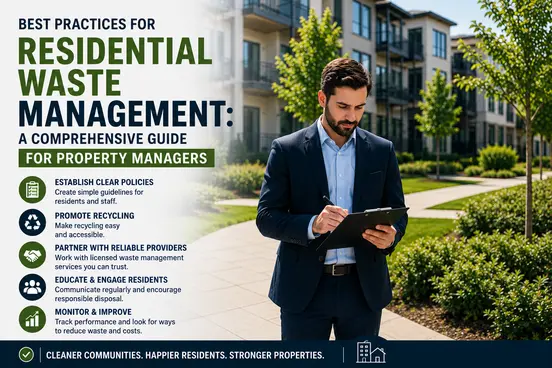
Effective residential waste management has become one of the most critical aspects of property management in today's environmentally conscious world. Property managers, apartment complex owners, and HOA boards face increasing pressure to implement systems that not only maintain cleanliness and hygiene but also promote sustainability and resident satisfaction. The complexity of managing waste across multiple residential units requires strategic planning, consistent execution, and professional expertise.
Modern residential communities generate diverse waste streams that demand specialized handling approaches. From traditional household garbage to recyclable materials, organic waste, and hazardous items, each category presents unique challenges that can significantly impact property aesthetics, resident health, and operational costs. Poor waste management practices often lead to pest infestations, unpleasant odors, decreased property values, and resident complaints that can strain community relationships.
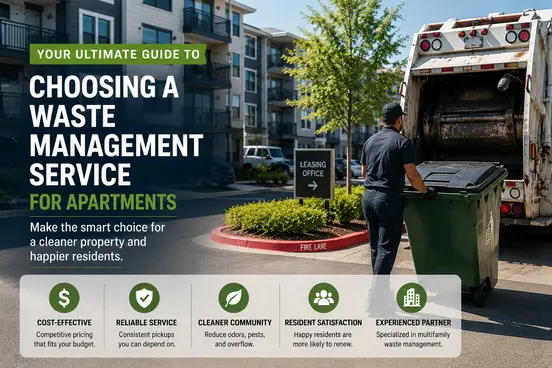
First Priority Disposal understands these challenges and offers comprehensive waste management solutions designed specifically for residential properties. Our services include trash valet services, residential trash collection, apartment valet trash service, and property maintenance services that work together to create seamless waste management systems. With years of experience serving property managers and residential communities, we've developed proven strategies that enhance operational efficiency while maintaining the highest standards of cleanliness and environmental responsibility.
Understanding Types of Waste in Residential Areas
Residential communities produce several distinct categories of waste that require different handling methods, collection schedules, and disposal techniques. Understanding these waste types is fundamental to developing effective waste management strategies that protect both community health and environmental sustainability.
Household Waste represents the largest volume category in most residential settings. This includes food scraps, packaging materials, personal hygiene products, and general household items that residents discard daily. Household waste typically requires frequent collection to prevent odor development and pest attraction. The composition varies significantly based on community demographics, seasonal patterns, and local consumption habits. Property managers must account for peak generation periods, such as holidays and move-in seasons, when planning collection capacity.
Recyclable Materials form another critical waste stream that demands careful separation and specialized handling. Common recyclables include paper products, cardboard, plastic containers, glass bottles, and aluminum cans. However, contamination remains a significant challenge, as improperly sorted materials can compromise entire recycling loads. Many residents lack clear understanding of recyclable materials guidelines, leading to wishful recycling that actually hinders sustainability efforts. Effective recycling programs require ongoing education, clear signage, and convenient collection systems.
Organic Waste includes food scraps, yard trimmings, and biodegradable materials that can be composted or processed through specialized facilities. This category presents unique challenges due to rapid decomposition, odor generation, and potential pest attraction. Some communities implement composting programs, while others rely on specialized organic waste collection services. The management approach often depends on local infrastructure availability and community commitment levels.
Hazardous Waste encompasses items like batteries, electronics, paint, cleaning chemicals, and medical waste that require special handling to prevent environmental contamination. These materials cannot be disposed of through regular waste streams and often require periodic special collection events or designated drop-off locations. Property managers must educate residents about proper hazardous waste disposal while coordinating with certified disposal services.
Each waste category presents distinct challenges that impact collection frequency, storage requirements, processing methods, and disposal costs. Successful residential waste management requires integrated approaches that address all categories while maintaining operational efficiency and resident convenience.
Best Practices for Waste Management in Residential Communities
Implementing best practices for residential waste management requires a comprehensive approach that addresses communication, scheduling, education, and system optimization. These practices form the foundation of successful waste management programs that enhance property value while promoting environmental responsibility.
Consistent Communication with Residents serves as the cornerstone of effective waste management. Property managers must establish clear communication channels that keep residents informed about collection schedules, policy changes, and proper disposal procedures. Regular newsletters, community bulletin boards, and digital platforms can disseminate important information while addressing common questions and concerns. Effective communication also includes feedback mechanisms that allow residents to report issues, suggest improvements, and participate in waste reduction initiatives.
Communication strategies should include multilingual materials when serving diverse communities, visual aids that simplify complex procedures, and regular reminders about special collection events or policy updates. Property managers should also establish emergency communication protocols for service disruptions, weather-related delays, or system changes that affect normal operations.
Regular Waste Collection Schedules provide the predictability that residents need while ensuring consistent property cleanliness. Optimal scheduling considers waste generation patterns, seasonal variations, and community-specific factors that influence collection needs. Most residential communities benefit from multiple collection frequencies, with household waste collected more frequently than recyclables or organic materials.
Effective scheduling also includes contingency plans for holidays, severe weather, and equipment failures that might disrupt normal service. Property managers should coordinate closely with waste management providers to ensure reliable service while maintaining flexibility for special circumstances. Clear schedule communication helps residents prepare waste properly while reducing complaints about missed collections.
Implementing Recycling Programs requires careful planning that balances environmental benefits with operational practicality. Successful programs begin with comprehensive waste audits that identify recyclable material volumes and contamination sources. This information guides program design, including container selection, collection frequency, and resident education requirements.
Recycling programs should provide convenient collection points, clear sorting instructions, and regular monitoring to maintain quality standards. Many communities benefit from single-stream recycling that simplifies resident participation while maintaining processing efficiency. However, some areas may require source-separated collection based on local processing facility requirements.
Educating Residents on Waste Separation significantly impacts program success and operational efficiency. Educational initiatives should address proper sorting techniques, contamination prevention, and the environmental benefits of responsible waste management. Effective education combines multiple approaches, including written materials, visual demonstrations, and interactive workshops that engage residents directly.
Education programs should be ongoing rather than one-time events, as resident turnover and changing waste streams require continuous reinforcement. Property managers can partner with waste management providers to develop customized educational materials that address community-specific challenges while promoting best practices for residential waste management throughout the property.
Trash Valet Services: What Property Managers Need to Know
Trash valet services represent an innovative approach to residential waste management that enhances resident convenience while improving property aesthetics and operational efficiency. These services involve professional staff collecting waste directly from residents' doors, eliminating the need for residents to transport waste to central collection points.
Overview of Trash Valet Services reveals a comprehensive system that transforms traditional waste collection models. Professional valet teams visit each residential unit on scheduled days, collecting properly prepared waste and transporting it to designated disposal areas. This door-to-door service typically operates during evening hours to minimize disruption while ensuring waste removal before overnight accumulation becomes problematic.
Valet services extend beyond simple collection to include waste sorting assistance, recycling support, and property cleanliness maintenance. Teams often carry supplies for immediate cleanup of spills or scattered materials, maintaining property appearance throughout the collection process. The service model adapts to various property types, from high-rise apartment buildings to sprawling residential complexes with diverse unit configurations.
Professional valet teams receive training in proper waste handling techniques, safety protocols, and customer service standards that reflect positively on property management. This training ensures consistent service quality while protecting both staff and residents from potential hazards associated with waste handling.
Benefits of Valet Services for Residents include significant convenience improvements that enhance overall living experiences. Residents no longer need to remember collection schedules, transport heavy bags to distant dumpsters, or navigate potentially hazardous pathways during inclement weather. This convenience particularly benefits elderly residents, individuals with mobility challenges, and busy professionals who appreciate simplified waste disposal.
Valet services also improve security by eliminating late-night trips to disposal areas that might pose safety concerns. Residents can place waste outside their doors and trust that professional teams will handle collection efficiently and discreetly. This security enhancement often becomes a valuable amenity that influences leasing decisions and resident retention rates.
The service model typically includes recycling support that helps residents participate more effectively in environmental programs. Valet teams can provide gentle education about proper sorting while ensuring that recyclable materials reach appropriate processing facilities rather than contaminating general waste streams.
Implementing Valet Services Effectively requires careful planning that addresses scheduling, staffing, equipment, and resident communication. Successful implementation begins with comprehensive property assessments that identify optimal collection routes, storage requirements, and potential operational challenges. Property managers must coordinate with service providers to develop customized programs that meet specific community needs while maintaining cost effectiveness.
Implementation also requires clear resident communication about service schedules, preparation requirements, and behavioral expectations. Residents must understand proper bag placement, acceptable waste types, and timing requirements that ensure smooth operations. Many properties benefit from gradual rollout periods that allow both residents and service teams to adapt to new procedures while addressing initial challenges.
Innovative Waste Management Solutions
Modern waste management increasingly relies on technological innovations and sustainable practices that improve efficiency while reducing environmental impact. Property managers who embrace these solutions often achieve significant operational improvements while enhancing their properties' environmental credentials.
Utilizing Technology in Waste Management opens numerous opportunities for optimization and monitoring. Smart waste containers equipped with sensors can monitor fill levels, optimize collection routes, and prevent overflow situations that create unsanitary conditions. These systems provide real-time data that helps property managers make informed decisions about collection frequency and capacity requirements.
Mobile applications enable residents to receive collection reminders, report issues, and access educational resources about proper waste disposal. These digital tools improve communication while reducing administrative burden on property management staff. Some applications include features for scheduling bulk item pickups, requesting recycling information, or reporting maintenance issues related to waste management infrastructure.
GPS tracking and route optimization software help waste collection teams operate more efficiently while reducing fuel consumption and vehicle emissions. These technologies enable precise scheduling that minimizes disruption to residents while ensuring reliable service delivery. Advanced analytics can identify patterns that inform strategic decisions about service improvements and cost optimization.
Eco-friendly Practices and Sustainability have become essential components of responsible waste management. Sustainable waste management approaches prioritize waste reduction, reuse opportunities, and recycling maximization before considering disposal options. These practices align with growing environmental awareness while often reducing operational costs through improved efficiency.
Composting programs transform organic waste into valuable soil amendments while diverting materials from landfills. Many residential communities implement small-scale composting systems that engage residents in environmental stewardship while producing useful outputs for landscaping applications. Larger communities might partner with regional composting facilities that process organic materials at industrial scales.
Waste reduction initiatives focus on source reduction through resident education, bulk purchasing programs that minimize packaging waste, and reuse programs that extend material lifecycles. These initiatives often require minimal investment while producing measurable environmental benefits that enhance property reputation and resident satisfaction.
Assessing Waste Management Efficiency requires comprehensive monitoring systems that track key performance indicators across multiple dimensions. Efficiency metrics should include collection reliability, cost per unit, contamination rates, diversion percentages, and resident satisfaction scores. Regular assessment helps identify improvement opportunities while documenting program success for stakeholders.
Waste audits provide detailed insights into waste stream composition, recycling effectiveness, and contamination sources. These assessments guide program adjustments while identifying educational needs that improve overall system performance. Professional waste audits often reveal surprising opportunities for cost reduction and environmental improvement that justify program modifications.
Benchmarking against industry standards and comparable properties helps property managers understand their performance relative to best practices. This comparison identifies areas where improvements might yield significant benefits while highlighting successful strategies that deserve continued investment.
Property Maintenance Services and Waste Management
Effective waste management extends beyond collection services to encompass comprehensive property maintenance that preserves cleanliness, prevents pest problems, and maintains aesthetic appeal. Integrating maintenance services with waste management creates synergistic benefits that enhance overall property value.
Role of Property Maintenance in Effective Waste Disposal encompasses numerous activities that support waste management objectives. Regular cleaning of waste storage areas prevents odor accumulation and pest attraction while maintaining sanitary conditions that protect resident health. Maintenance teams should implement scheduled cleaning protocols that address both routine maintenance and deep cleaning requirements.
Proper maintenance of waste containers, dumpsters, and collection equipment ensures reliable operation while extending equipment lifecycles. This maintenance includes regular washing, minor repairs, and replacement scheduling that prevents service disruptions. Well-maintained equipment also presents better aesthetic appearance that reflects positively on property management quality.
Infrastructure maintenance supports efficient waste collection through proper lighting, accessible pathways, and functional drainage systems. These elements ensure safe operations for collection teams while preventing environmental contamination from spills or overflow situations. Regular inspection and maintenance of these systems prevents minor issues from becoming major problems that disrupt service or create health hazards.
Combining Cleaning Services with Waste Management creates integrated approaches that maximize efficiency while ensuring comprehensive property care. Professional cleaning teams can coordinate with waste collection schedules to address areas that require immediate attention after collection activities. This coordination ensures that properties maintain pristine appearance throughout collection cycles.
Integrated services often prove more cost-effective than separate contracts while providing better communication and accountability. Single-source providers can coordinate activities more effectively while taking comprehensive responsibility for property cleanliness standards. This integration simplifies management oversight while ensuring consistent service quality across all waste-related activities.
First Priority Disposal offers comprehensive property maintenance services that complement our waste management solutions, creating seamless programs tailored to each property's specific requirements. Our integrated approach ensures optimal results while simplifying administrative requirements for busy property managers who need reliable, professional service delivery.
Real-Life Case Studies
Examining successful implementations of best practices for residential waste management provides valuable insights into practical strategies that deliver measurable results. These case studies demonstrate how thoughtful planning and professional execution create significant benefits for both property managers and residents.
Case Study 1: Large Apartment Complex Transformation involved a 300-unit apartment complex struggling with overflowing dumpsters, resident complaints, and pest problems. The property management team partnered with First Priority Disposal to implement comprehensive waste management improvements including trash valet services, enhanced recycling programs, and resident education initiatives.
The implementation began with detailed waste audits that revealed significant recycling contamination and inefficient collection scheduling. New programs included door-to-door valet collection three times weekly, clearly marked recycling stations with multilingual signage, and monthly resident education workshops. Within six months, waste management costs decreased by 15% while resident satisfaction scores improved dramatically.
The transformation included upgraded waste storage areas with improved lighting and security features. Regular maintenance protocols ensured consistent cleanliness while preventing the pest problems that had plagued the property. The success led to lease renewal rate improvements and positive online reviews that highlighted the convenient waste management amenities.
Case Study 2: Sustainable Community Initiative featured a 150-unit townhome community committed to environmental leadership. Property managers implemented comprehensive waste management strategies focused on waste reduction, recycling maximization, and composting programs that aligned with community values while reducing operational costs.
The program included resident education campaigns that achieved 85% recycling participation rates and 40% waste reduction through source reduction initiatives. Community composting programs processed organic waste on-site while producing soil amendments for landscaping applications. These efforts earned environmental certifications that enhanced property marketing while attracting environmentally conscious residents.
Technology integration included smart containers that optimized collection schedules and mobile applications that facilitated resident participation. The comprehensive approach achieved 60% waste diversion rates while reducing total waste management costs by 25%. The success attracted media attention and industry recognition that enhanced property reputation significantly.
Case Study 3: Urban High-Rise Challenge addressed unique waste management challenges in a 20-story residential building with limited space and complex logistics. Traditional waste management approaches proved inadequate for the high-density environment, requiring innovative solutions that maximized efficiency within space constraints.
The solution included specialized valet services designed for high-rise operations, automated waste chute systems, and coordinated collection schedules that minimized elevator usage during peak hours. Advanced sorting systems maximized recycling while preventing contamination that had previously compromised program effectiveness.
Implementation required extensive resident cooperation and clear communication about timing requirements and preparation procedures. The successful program reduced waste management complaints by 90% while improving building cleanliness and operational efficiency. The innovations became model practices that influenced waste management approaches in similar properties throughout the region.
Conclusion: The Path Forward for Residential Waste Management
The implementation of best practices for residential waste management represents both an operational necessity and a strategic opportunity for property managers seeking to enhance property value while promoting environmental responsibility. Throughout this comprehensive guide, we have explored proven strategies that transform waste management from a routine operational challenge into a competitive advantage that benefits properties, residents, and communities.
Successful waste management programs require integrated approaches that address multiple dimensions simultaneously. From establishing clear communication protocols and reliable collection schedules to implementing innovative technologies and sustainable practices, each element contributes to overall program effectiveness. Property managers who embrace comprehensive strategies often discover that initial investments in improved waste management systems generate significant returns through reduced operational costs, enhanced resident satisfaction, and improved property reputation.
The evolution toward professional services like trash valet collection demonstrates how innovation can transform traditional approaches while creating new value propositions for residents. These services exemplify how best practices for residential waste management continue evolving to meet changing expectations while addressing practical operational challenges that property managers face daily.
Environmental sustainability has become an essential consideration that influences both operational decisions and marketing strategies. Properties that demonstrate environmental leadership through effective waste management often attract quality residents while building positive community relationships that support long-term success.
Ready to transform your property's waste management approach?
Contact First Priority Disposal at 757-250-7985 to schedule a comprehensive consultation that will assess your current systems and develop customized solutions tailored to your property's specific needs. Our experienced team will work with you to implement proven best practices that enhance operational efficiency while creating the clean, sustainable environment your residents deserve.
Visit https://firstprioritydisposal.com/ to learn more about our comprehensive waste management solutions and property maintenance services designed specifically for residential communities.