The Complete Guide to Commercial Junk Removal: Streamlining Facility Operations and Corporate Cleanouts
In the highly dynamic, relentlessly fast-paced ecosystem of modern business, physical spaces must constantly evolve to meet shifting operational demands. Corporations aggressively expand into new markets, retail stores frequently remodel to reflect updated branding, and massive industrial warehouses constantly reconfigure their floor plans to optimize supply chain logistics. However, behind every seamless corporate transition lies a massive, frequently underestimated logistical hurdle: what exactly happens to the staggering volume of outdated assets, heavy machinery, and broken fixtures left behind? Standard daily waste services are completely unequipped to handle massive purges, and relying on internal staff to move heavy commercial equipment is a recipe for disaster. This is where the highly specialized, heavy-duty logistics of a professional commercial junk removal service becomes an absolute operational necessity.
Commercial junk removal is fundamentally and structurally different from residential hauling. The sheer physical scale of the debris is exponentially larger, the items themselves are frequently vastly heavier and more awkwardly shaped, and the regulatory environment governing their disposal is fiercely dictated by complex corporate liability laws, local municipal ordinances, and stringent environmental compliance mandates. Furthermore, executing a major cleanout within a bustling commercial environment involves navigating a highly complex web of property management rules, strict loading dock reservations, mandatory Certificates of Insurance (COI), and highly restricted after-hours freight elevator access. A single logistical misstep can result in severe financial penalties from building management, delayed lease handovers, and massive, highly expensive disruptions to your ongoing daily business operations.
This extensive, expert-level guide is meticulously engineered for business owners, facility managers, and commercial real estate professionals who refuse to let unmanaged clutter dictate their operational efficiency. We will thoroughly dissect exactly what constitutes commercial junk, clearly define the critical scenarios where professional intervention is an absolute necessity, completely expose the dangerous hidden costs of attempting a DIY commercial cleanout, and outline the rigorous environmental and data security standards that modern businesses must strictly adhere to. By deeply mastering the complex intricacies of commercial junk removal, you empower your organization to execute flawless facility transitions, fiercely protect your corporate bottom line, and maintain a pristine, highly productive environment for your workforce.
Defining the Scope: What Exactly is Commercial Junk?
Commercial waste encompasses a vastly wider, much more complex spectrum of materials than standard residential clutter. The items found across diverse industries we serve require highly specialized handling, disassembly, and disposal methodologies due to their immense size, heavy weight, and potentially sensitive technological nature.
Office Furniture and Heavy Ergonomic Fixtures
The most frequent targets of massive commercial junk removal projects are vast volumes of outdated office furniture. This includes rows of heavy, interlocking cubicle partitions, massive solid-wood executive desks, hundreds of ergonomic rolling chairs, heavy steel filing cabinets, and enormous, multi-piece boardroom tables. These items are inherently designed for extreme durability and heavy daily use, making them incredibly difficult to physically dismantle and incredibly heavy to manually transport through narrow corporate hallways without inflicting severe damage on the surrounding drywall and flooring.
Electronic Waste (E-Waste) and IT Infrastructure
Modern businesses run entirely on technology, and that technology has a remarkably short, highly accelerated lifespan. Commercial e-waste is a massive logistical hurdle that includes outdated desktop computer towers, hundreds of flat-screen monitors, massive commercial copy machines, heavy network server racks, miles of tangled ethernet cabling, and outdated telecommunications systems. Disposing of these items in a standard commercial dumpster is not only environmentally catastrophic but frequently highly illegal due to the toxic heavy metals—such as lead, mercury, and cadmium—housed within their internal components.
Retail Fixtures, Displays, and Commercial Equipment
When a retail environment remodels or a storefront closes its doors, the resulting debris is highly specialized. This includes massive heavy-duty metal gondola shelving, custom-built wooden display cases, heavy glass countertops, hundreds of plastic mannequins, industrial clothing racks, and heavy point-of-sale (POS) kiosk systems. In restaurants and food service settings, commercial junk can aggressively expand to include massive walk-in freezer doors, heavy stainless steel prep tables, commercial ovens, and heavy, grease-laden ventilation hoods.
Critical Scenarios Demanding Professional Commercial Junk Removal
While ongoing, daily operational waste is easily handled by standard front-load dumpsters, highly specific, high-stakes corporate events trigger the immediate, desperate need for rapid, high-volume, full-service junk hauling. Recognizing these scenarios allows facility managers to proactively budget and smoothly schedule the necessary logistical support.
Corporate Relocations and Strategic Downsizing
When a company relocates to a sparkling new headquarters or actively downsizes its physical footprint, it rarely makes financial sense to pay expensive commercial movers to pack, aggressively transport, and unpack outdated, heavily depreciated furniture. Businesses frequently choose to leave the old furniture behind and purchase brand new, modern fixtures for the new space. However, commercial leases strictly dictate that the old space must be returned in pristine, "broom-swept" condition. Professional junk removal teams act as the critical bridge, rapidly sweeping through the old facility on the final day of the lease to completely liquidate and remove all abandoned assets, ensuring the company successfully recovers its massive security deposit without engaging in a costly legal battle with the landlord.
Commercial Real Estate and Tenant Evictions
Professionals managing commercial real estate and retail shopping centers frequently face the sudden, highly stressful nightmare of a "midnight run"—where a failing retail tenant or struggling business abruptly abandons their lease in the middle of the night. They frequently leave behind massive commercial spaces completely filled with unsellable inventory, broken fixtures, and massive trash piles. Every single day that commercial space sits cluttered is thousands of dollars in actively lost potential rental revenue. Professional junk removal provides emergency, rapid-response cleanouts, completely resetting the massive space to a pristine, highly marketable blank canvas so the property manager can immediately begin showing the unit to new, highly profitable tenants.
Multi-Family Housing and Apartment Turnovers
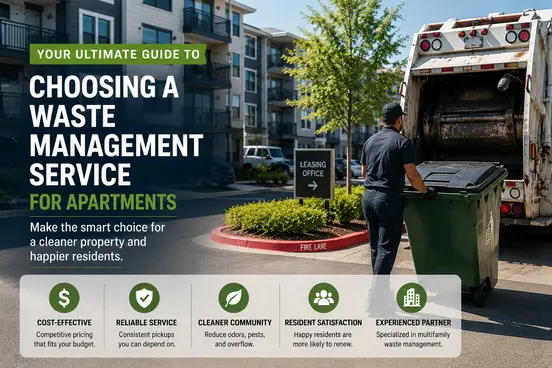
In the apartment and multi-family housing sector, tenant turnover is a constant, highly demanding cycle. When a tenant moves out and illegally abandons a waterlogged couch, a broken mattress, or a ruined television next to the community dumpster, it instantly creates a massive eyesore that infuriates existing residents and completely deters prospective renters. Property managers require a highly reliable commercial hauling partner to rapidly execute targeted "sweep" pickups, ensuring the community grounds remain absolutely pristine and highly welcoming.
The Dangerous Hidden Costs and Severe Liabilities of DIY Cleanouts
To aggressively cut costs, a well-meaning office manager or frugal business owner might be severely tempted to rent a massive moving truck, buy a stack of pizzas, and ask their own salaried employees to spend their Friday afternoon hauling heavy desks and filing cabinets. This approach is universally considered a catastrophic management decision that introduces massive hidden costs and severe legal liabilities to the organization.
Massive Worker's Compensation and Liability Risks
Your highly valuable employees were hired to write code, manage critical accounts, sell products, or handle human resources—they were absolutely not trained, insured, or physically conditioned to pivot 400-pound solid oak conference tables down narrow, highly polished corporate stairwells. If an employee severely injures their back, crushes a foot, or tears a shoulder muscle while moving heavy furniture at your strict direction, your company is instantly liable for a massive worker’s compensation claim. The resulting medical costs, legal fees, and drastically increased long-term insurance premiums will instantly, completely dwarf whatever small amount of money you mistakenly believed you were saving by not hiring insured professionals.
The Extreme Opportunity Cost of Employee Downtime
In modern business, time is quite literally money. Every single hour your highly paid sales team, specialized marketing department, or senior management spends awkwardly breaking down cubicle walls or carrying heavy trash bags is an hour they are actively completely failing to generate revenue or drive the core mission of your business forward. The pure "opportunity cost" of completely pausing your business operations to execute a disorganized DIY cleanout is incredibly expensive. Professional junk removal teams operate with military-like efficiency, executing the heavy labor rapidly in the background while your team remains safely at their desks, actively generating profit.
Property Damage to Class-A Commercial Real Estate
Commercial office buildings frequently feature incredibly expensive architectural elements: polished marble lobbies, high-end commercial elevators with mirrored glass, pristine drywall, and custom commercial carpeting. When inexperienced amateurs attempt to move incredibly heavy, highly awkward steel items, severe property damage is an absolute mathematical certainty. Scraping a massive steel desk down a painted hallway or shattering a lobby glass door will result in massive, deeply punitive repair bills directly from your strict building management company. Professional hauling crews utilize highly specialized equipment, thick moving blankets, and heavy rubber floor runners to fiercely protect the pristine condition of the real estate during the complex extraction process.
Navigating Commercial Building Logistics: COIs and Loading Docks
Executing a massive removal project inside a busy, multi-tenant commercial high-rise or a sprawling corporate park requires successfully navigating a highly complex gauntlet of bureaucratic red tape enforced strictly by the property management company. Professional junk removal companies that specialize in commercial clients are highly adept at seamlessly handling these critical logistical hurdles.
The Critical Importance of the Certificate of Insurance (COI)
Virtually every single reputable commercial building manager in the country will strictly demand a Certificate of Insurance (COI) before they will allow any outside vendor to set foot on the property, access the highly protected loading docks, or use the expensive freight elevators. A COI is a legally binding document proving that the junk removal company carries massive commercial general liability insurance and comprehensive worker's compensation coverage. If a rogue vendor damages the elevator or injures themselves, the building is entirely protected. If you attempt to hire an unlicensed "guy with a pickup truck," building security will instantly deny them access to the premises, completely derailing your tightly scheduled cleanout.
After-Hours Requirements and Freight Logistics
Commercial property managers aggressively prioritize the peace, quiet, and ultimate safety of all their paying tenants. Therefore, they will almost never allow a massive, noisy junk removal operation to occur during peak business hours (typically 8:00 AM to 5:00 PM). Doing so would completely tie up critical elevators and create a highly disruptive, unprofessional environment. Professional commercial junk removal partners are completely accustomed to this strict reality and routinely schedule highly coordinated, large-scale cleanouts late into the evening, completely overnight, or strictly on weekends. They expertly coordinate directly with building security to aggressively reserve the heavily guarded loading docks and lock out the freight elevators exclusively for their massive operational use.
Corporate Environmental Responsibility and Data Security
In the modern corporate landscape, a company’s massive waste stream is no longer just an operational afterthought; it is a highly scrutinized component of their Corporate Social Responsibility (CSR) profile, their public brand image, and, when handling sensitive e-waste, a matter of strict legal compliance.
The Severe Threat of Data Breaches in E-Waste
When disposing of commercial e-waste, physical bulk is actually your secondary concern; absolute data security is paramount. Outdated office computers, massive server hard drives, and even standard commercial copy machines (which possess internal hard drives that heavily cache thousands of scanned legal documents) contain incredibly sensitive corporate data, employee social security numbers, and highly confidential client financial records. If these items are recklessly tossed into a standard dumpster, your company is heavily exposing itself to catastrophic data breaches and massive class-action lawsuits under strict privacy laws like HIPAA or CCPA. Elite commercial junk removal services possess the strict protocols required to ensure your data is aggressively protected, frequently partnering with certified e-waste processors who physically shred or magnetically wipe hard drives beyond all possible recovery.
Aggressive Commercial Recycling and Charitable Liquidation
Major corporations are under massive pressure from stakeholders, investors, and the general public to vastly reduce their carbon footprint and heavily minimize their massive contributions to local landfills. Premium commercial junk removal companies serve as highly valuable sustainability partners. Instead of instantly dumping an entire floor of high-quality office furniture, these experts possess the massive logistical network to aggressively route usable assets directly to large-scale charities, massive thrift organizations, or specialized commercial liquidators. Thousands of pounds of steel filing cabinets and aluminum fixtures are heavily diverted to massive scrap metal processing facilities. This aggressive, highly structured diversion actively supports corporate sustainability goals.
Understanding Commercial Junk Removal Pricing Structures
Commercial junk removal billing must be highly transparent and completely predictable to easily satisfy the strict requirements of corporate accounting departments and rigid facility budgets.
Volume-Based Fleet Pricing
The massive core of commercial pricing remains volume-based. You are paying for the exact cubic yardage your massive debris occupies inside their commercial box trucks. However, for massive, multi-floor corporate cleanouts, pricing is frequently calculated by the sheer number of *full truckloads* required. A massive commercial partner might actively deploy a highly coordinated fleet of five or six massive trucks simultaneously to rapidly complete an entire office cleanout in a single, highly efficient afternoon.
Commercial-Specific Labor and Weight Surcharges
Commercial cleanouts frequently trigger specialized surcharges that facility managers must actively budget for. If the removal crew must physically dismantle 50 highly complex, fully wired cubicle stations before they can move them, you will likely incur a highly justified hourly labor surcharge for the massive teardown effort. Furthermore, highly dense commercial materials—such as hundreds of pounds of shredded paper documents, heavy commercial carpeting, or massive, 1,000-pound solid steel corporate safes—will heavily trigger strict weight-based surcharges because they rapidly max out the legal DOT weight limits of the transport trucks long before the physical volume of the box is entirely full.
Local Expertise Across Hampton Roads
The logistics of executing a flawless commercial cleanout vary wildly depending entirely on exactly where your business is located. Navigating the tightly packed, historic downtown streets of Norfolk or the bustling tourist corridors of Virginia Beach requires a local hauling partner who intimately understands municipal traffic patterns, aggressive parking enforcement, and strict local environmental ordinances. Whether you are managing a massive industrial manufacturing and warehousing facility in Chesapeake or upgrading healthcare facilities in Newport News, partnering with a deeply entrenched local expert guarantees that your massive cleanout is executed with flawless, highly compliant precision.
Conclusion: Empowering Your Business to Move Forward
In the highly competitive corporate arena, aggressively maintaining an organized, highly optimized, and liability-free physical environment is absolutely essential for sustained operational success. Allowing massive amounts of outdated furniture, heavy e-waste, and abandoned retail fixtures to endlessly languish in expensive commercial real estate is a massive drain on your strict facility budget and a severe drag on overall employee morale and productivity.
Attempting to internally manage a massive commercial cleanout introduces completely unacceptable levels of physical liability, severely damages building infrastructure, and forces your highly valuable employees to completely abandon their core, profit-generating duties. By strategically outsourcing this massive logistical burden to a highly specialized, heavily insured commercial junk removal provider, you instantly completely eliminate the bureaucratic headache. You ensure total compliance with strict property management rules, guarantee the highly secure handling of sensitive digital data, and actively promote corporate environmental sustainability.
Ultimately, professional commercial junk removal is a highly strategic corporate investment in absolute efficiency. It allows your management team to rapidly execute complex facility transitions, quickly surrender expiring leases without severe financial penalties, and aggressively maintain a pristine, highly modern workspace. By trusting the massive heavy lifting entirely to seasoned commercial experts, you free your entire organization to focus 100% of its valuable energy precisely where it belongs: actively driving innovation, passionately serving your clients, and ruthlessly growing your corporate bottom line.
Is your business facing a massive office relocation, retail cleanout, or urgent facility upgrade?
At First Priority Disposal, we serve as the highly trusted, fully insured logistical partner for property managers, corporate facility directors, and business owners across the entire Hampton Roads region. From providing exact Certificates of Insurance (COI) to property managers in Hampton to successfully executing massive, multi-truck weekend removals in Suffolk, we completely minimize your operational downtime.
Protect your corporate liability and actively streamline your massive transition. Visit firstprioritydisposal.com/commercial-junk-removal today to clearly view our comprehensive commercial hauling capabilities, or contact our dedicated commercial accounts team via firstprioritydisposal.com/contact-us to rapidly schedule your absolutely free, no-obligation on-site corporate estimate. Focus entirely on your business; let us expertly handle the heavy lifting.