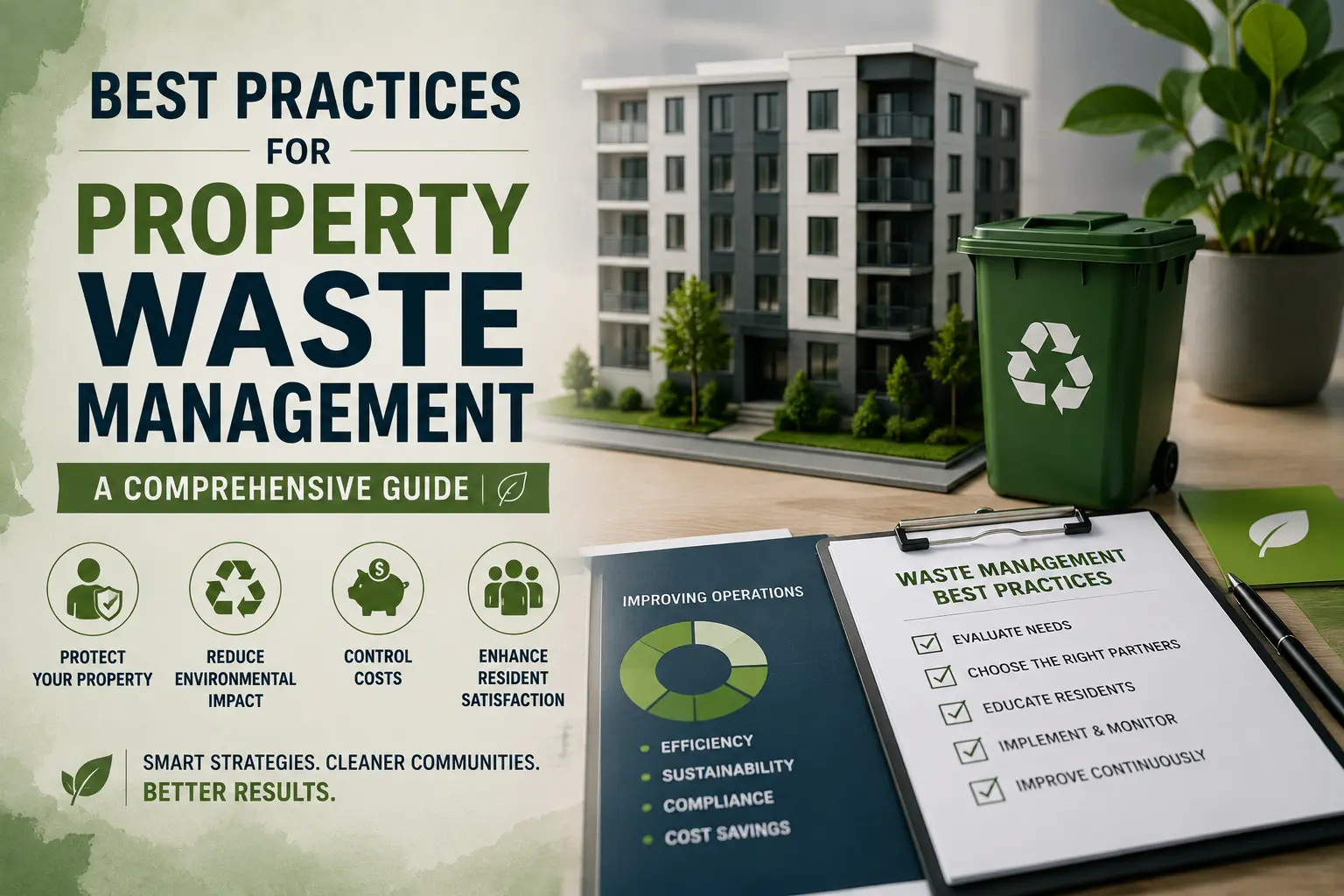
Effective waste management serves as the backbone of successful property operations, directly impacting tenant satisfaction, operational costs, and environmental stewardship. Property managers across multifamily housing complexes, commercial buildings, and construction sites face mounting challenges in managing waste efficiently while maintaining compliance with evolving regulations. The financial implications extend beyond simple collection costs, encompassing liability concerns, property value preservation, and tenant retention rates.
Modern property waste management requires a strategic approach that balances operational efficiency with environmental responsibility. Properties implementing comprehensive waste management strategies typically experience reduced operational costs, improved tenant satisfaction scores, and enhanced property marketability. The complexity of today's waste streams—from traditional household refuse to electronic waste and construction debris—demands specialized knowledge and professional oversight.
First Priority Disposal supports property managers with roll-off dumpster rentals in 10, 20 and 30-yard sizes for cleanouts, unit turnovers, renovations and construction debris, along with junk removal. Day-to-day services such as valet trash, recycling programs and routine trash collection come from a dedicated hauler, so this guide covers what to look for in those providers too.
Understanding Waste Types and Regulations
Property waste management encompasses diverse waste streams, each requiring specific handling protocols and disposal methods. Residential waste typically includes household refuse, organic materials, recyclables, and occasional bulky items like furniture or appliances. Understanding these categories enables property managers to design appropriate collection schedules and storage solutions that prevent overflow situations and maintain property aesthetics.
Commercial waste presents additional complexities, often including confidential documents requiring secure destruction, specialized equipment disposal, and varying generation patterns based on business operations. Office buildings may generate substantial paper waste and electronic equipment, while retail properties often produce packaging materials and promotional displays requiring different handling approaches. Food service establishments within commercial properties create organic waste streams requiring frequent collection to prevent odors and pest attraction.
Construction site waste management presents unique challenges with materials ranging from demolition debris and packaging materials to hazardous substances requiring specialized disposal. Construction waste often includes concrete, metal, wood, drywall, and potentially contaminated materials that must be sorted and disposed of according to strict environmental regulations. Proper construction site waste management protects worker safety and prevents environmental contamination.
Local regulations governing waste management vary significantly across jurisdictions, requiring property managers to maintain current knowledge of applicable requirements. Many municipalities mandate specific recycling programs, impose restrictions on disposal methods, and require documentation for certain waste types. Failure to comply with local regulations can result in substantial fines, legal liability, and potential operational disruptions.
Environmental regulations continue evolving, with many jurisdictions implementing stricter requirements for waste diversion, recycling targets, and organic waste management. Properties must adapt their waste management strategies to meet these changing requirements while maintaining operational efficiency. Understanding regulatory trends enables proactive compliance rather than reactive adjustments that can be costly and disruptive to property operations.
Best Practices for Waste Management
Implementing best practices for property waste management begins with comprehensive waste audits that identify current generation patterns, disposal costs, and improvement opportunities. Waste audits involve systematically analyzing waste streams over representative periods to understand composition, volume fluctuations, and potential contamination issues. This data-driven approach enables property managers to make informed decisions about collection frequencies, container sizing, and recycling program implementation.
Conducting effective waste audits requires examining waste generation patterns across different property areas, tenant types, and seasonal variations. Residential properties may show increased waste generation during move-in/move-out periods, while commercial properties often experience fluctuations based on business cycles. Understanding these patterns enables optimized collection schedules that prevent overflow situations while avoiding unnecessary service costs.
Source separation strategies form the foundation of effective waste management programs, enabling materials to be directed to appropriate disposal or recycling channels from the point of generation. Implementing clear separation protocols requires providing adequate containers, clear signage, and ongoing education to ensure proper sorting. Successful source separation reduces contamination rates, improves recycling program effectiveness, and often reduces overall disposal costs.
Establishing comprehensive recycling programs requires understanding local recycling markets, contamination standards, and collection logistics. Effective recycling initiatives go beyond basic paper and plastic collection to include electronics recycling, organic waste composting, and specialized material recovery. Properties implementing robust recycling programs often achieve significant waste diversion rates while demonstrating environmental leadership to tenants and stakeholders.
Regular evaluation of waste management policies ensures continued effectiveness and identifies improvement opportunities as property needs evolve. This ongoing assessment should include cost analysis, service quality evaluation, tenant feedback collection, and regulatory compliance verification. Properties that regularly review and adjust their waste management approaches maintain optimal performance while adapting to changing circumstances.
Technology integration increasingly supports waste management optimization through smart containers, route optimization software, and data analytics platforms. These tools provide real-time insights into waste generation patterns, collection efficiency, and cost optimization opportunities. Forward-thinking properties leverage technology to enhance operational efficiency while providing better service to tenants.
Effective Trash Valet Services
Trash valet service represents a premium amenity that significantly enhances tenant satisfaction while streamlining property waste management operations. This service model involves staff collecting bagged waste directly from tenant doors on scheduled collection days, eliminating the need for tenants to transport waste to central collection areas. The convenience factor particularly appeals to residents in multifamily properties, contributing to higher tenant retention rates and property differentiation in competitive markets.
Implementation of valet trash service requires careful planning to ensure operational efficiency and tenant satisfaction. Successful programs establish clear collection schedules, typically operating on designated evenings when staff can efficiently collect waste without disrupting tenant activities. Properties must provide appropriate bags and clear guidelines regarding acceptable waste types, bag placement protocols, and collection timing requirements.
The benefits extend beyond tenant convenience to include improved property aesthetics and reduced maintenance requirements. Centralized dumpster areas often suffer from overflow situations, scattered debris, and pest attraction when tenants inconsistently dispose of waste. Valet services eliminate these issues by ensuring proper waste containment and reducing foot traffic to dumpster areas. Properties implementing valet services typically experience cleaner common areas and reduced maintenance costs associated with dumpster area cleanup.
Successful valet service implementation requires ongoing quality monitoring and responsive customer service. Properties must establish feedback mechanisms to address service issues promptly and maintain consistent service quality. Staff training ensures professional interactions with tenants and adherence to collection protocols. Regular service evaluation helps identify optimization opportunities and ensures continued tenant satisfaction with the amenity.
Waste Reduction Strategies
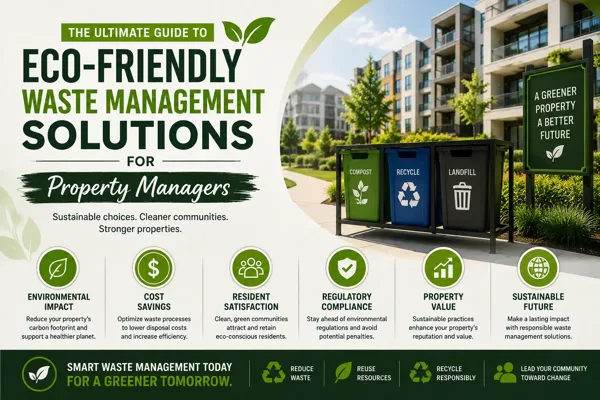
Sustainable waste management emphasizes reduction as the most effective strategy for minimizing environmental impact while reducing operational costs. Properties implementing comprehensive waste reduction strategies often achieve significant cost savings while demonstrating environmental leadership to tenants and stakeholders. Effective reduction initiatives require understanding waste generation sources and implementing targeted interventions to minimize waste production.
Community education programs play a crucial role in encouraging minimal waste generation among tenants and building occupants. Educational initiatives might include workshops on composting, information about local donation centers for unwanted items, and guidance on purchasing decisions that minimize packaging waste. Properties that invest in tenant education often see substantial reductions in overall waste generation and improved recycling program participation.
Partnerships with local recycling centers and charitable organizations create opportunities for materials that might otherwise enter waste streams to find productive uses. Many communities offer specialized recycling programs for electronics, textiles, and other materials not accepted in standard recycling programs. Properties can facilitate tenant participation in these programs through periodic collection events or ongoing drop-off opportunities.
Bulk purchasing programs for common items like cleaning supplies or office materials can significantly reduce packaging waste while achieving cost savings. Commercial properties might coordinate tenant purchasing to minimize individual packaging while residential properties could offer bulk purchasing opportunities for frequently used items. These initiatives require coordination but often produce substantial waste reduction results.
Implementing reuse programs within properties encourages tenants to share items rather than disposing of functional materials. Common areas might include bulletin boards for item exchanges, designated areas for items available for reuse, or organized swap events. These programs build community while diverting materials from waste streams.
Technology solutions increasingly support waste reduction efforts through apps that facilitate item sharing, food waste reduction platforms, and digital communication systems that reduce paper consumption. Properties embracing technological solutions often achieve greater waste reduction results while appealing to environmentally conscious tenants who value sustainability initiatives.
Choosing a Waste Management Service Provider
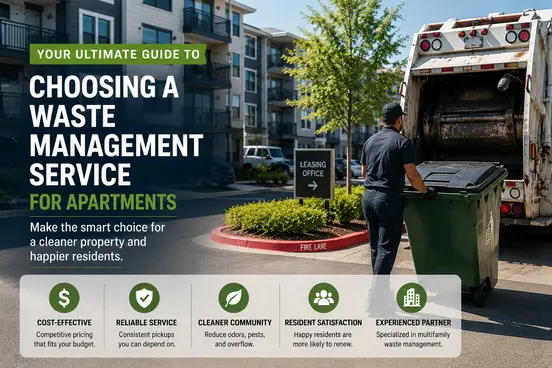
Selecting an appropriate waste management service provider requires evaluating multiple factors beyond basic collection costs to ensure long-term operational success. Service reliability stands as perhaps the most critical factor, as missed collections can quickly create operational disruptions and tenant complaints. Providers should demonstrate consistent service delivery through established operational procedures, backup equipment availability, and responsive customer service capabilities.
Comprehensive service offerings enable properties to consolidate waste management needs with a single provider, simplifying vendor management while often achieving cost efficiencies. Some full-service providers bundle regular waste collection, recycling programs, valet services and cleaning. For one-time projects like cleanouts and renovations, a roll-off dumpster rental from a company such as First Priority Disposal covers the extra volume your regular service cannot.
Environmental commitment increasingly influences provider selection as properties seek partners aligned with sustainability goals. Providers should demonstrate commitment to waste diversion, recycling program support, and environmentally responsible disposal practices. Many properties now require waste management partners to provide regular reporting on diversion rates and environmental impact metrics.
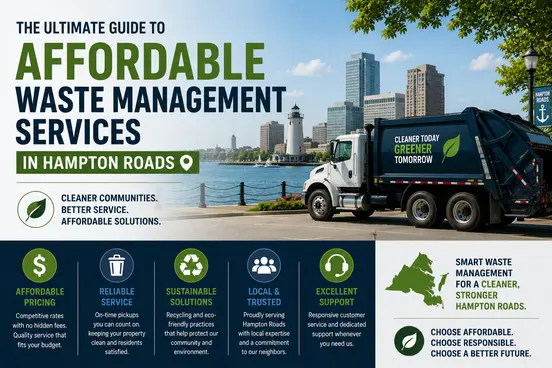
Local market knowledge proves essential for navigating regulatory requirements and optimizing service delivery. Providers familiar with local regulations, disposal facilities, and recycling markets can ensure compliance while identifying cost optimization opportunities. Regional providers often offer more responsive service and better understanding of local market conditions than national companies with limited local presence.
Financial transparency and flexible service agreements enable properties to manage costs effectively while adapting to changing needs. Providers should offer clear pricing structures, detailed service specifications, and flexible contract terms that accommodate property operational changes. Long-term partnerships benefit both parties through improved service delivery and cost predictability.
Conclusion and Next Steps
Implementing best practices for property waste management requires strategic planning, professional partnerships, and ongoing commitment to operational excellence. Properties that invest in comprehensive waste management programs consistently achieve improved tenant satisfaction, reduced operational costs, and enhanced environmental performance. The complexity of modern waste streams and evolving regulations make professional expertise increasingly valuable for property managers seeking optimal results.
The key elements of successful waste management programs include thorough waste audits, appropriate service provider selection, comprehensive recycling initiatives, and ongoing performance monitoring. Properties must balance operational efficiency with environmental responsibility while maintaining cost-effectiveness and regulatory compliance. This balance requires experienced partners who understand property management challenges and can provide customized solutions.
When a project produces more debris than your regular service can handle, First Priority Disposal offers 10, 20 and 30-yard roll-off dumpsters across Hampton Roads with flat-rate pricing and 7-day rentals.
Planning a cleanout or renovation at your property?
Contact First Priority Disposal at 757-250-7985 to book a roll-off dumpster for your next cleanout, unit turnover or renovation. We will help you pick the right size for the job.
Visit https://firstprioritydisposal.com/ to see our dumpster sizes and flat-rate pricing.