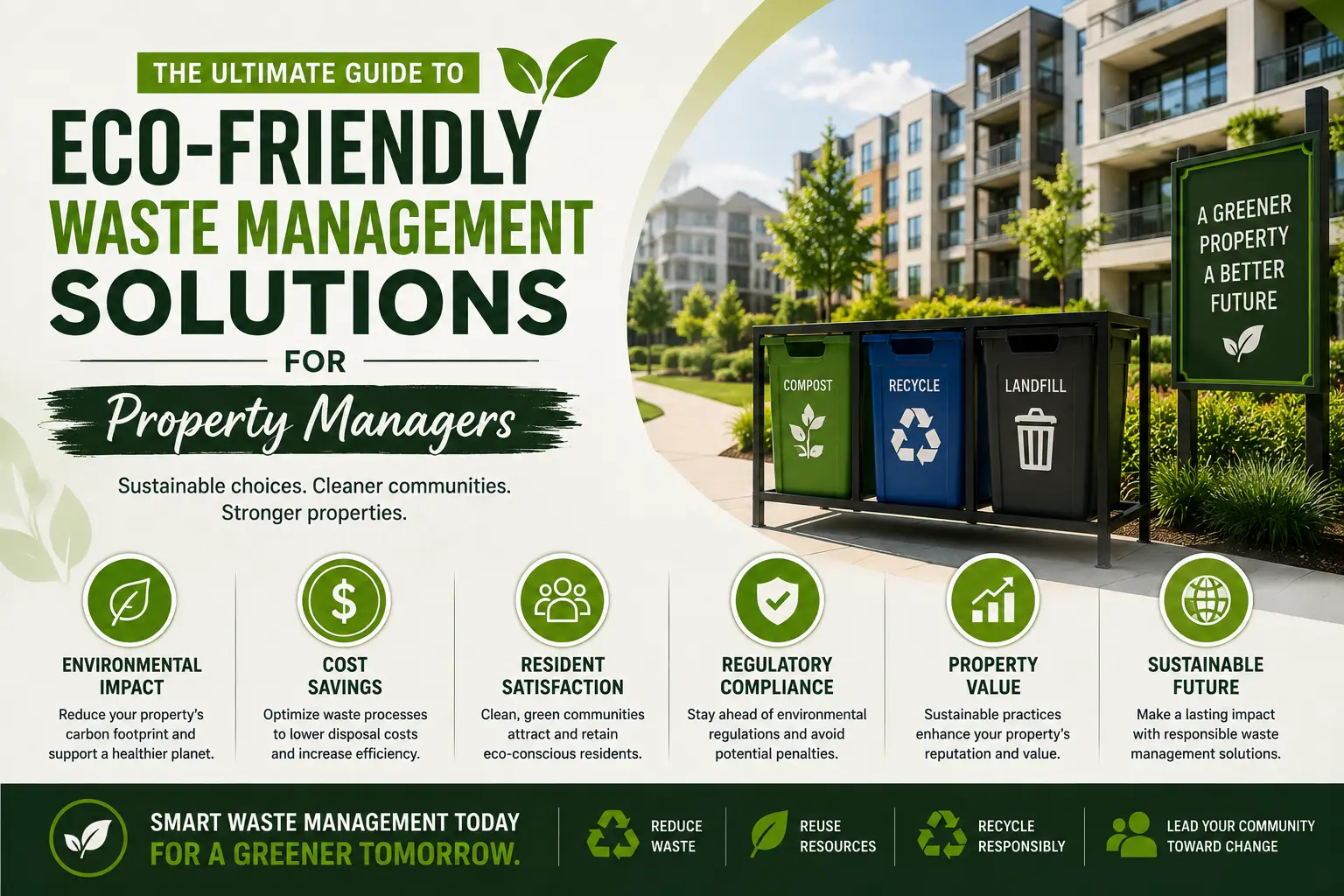
In today's environmentally conscious world, property managers face increasing pressure to adopt sustainable practices that benefit both the planet and their bottom line. As communities become more aware of their environmental impact, the demand for eco-friendly waste management solutions has reached unprecedented levels. Property managers who embrace these sustainable approaches not only contribute to environmental preservation but also position their properties as forward-thinking and responsible investments.
The shift toward sustainable waste management represents more than just a trend—it's a fundamental change in how we approach resource consumption and waste disposal. For property managers overseeing residential communities, commercial properties, and mixed-use developments, implementing eco-friendly waste management solutions can significantly reduce operational costs while enhancing tenant satisfaction and property value. This comprehensive guide explores practical strategies, proven benefits, and actionable steps that property managers can take to transform their waste management practices into sustainable, efficient systems that serve both environmental and business objectives.
Introduction to Eco-Friendly Waste Management
Eco-friendly waste management encompasses a comprehensive approach to handling waste that prioritizes environmental sustainability, resource conservation, and pollution reduction. Unlike traditional waste disposal methods that focus primarily on collection and landfill disposal, eco-friendly waste management solutions emphasize the principles of reduce, reuse, and recycle to minimize environmental impact while maximizing resource efficiency.
At its core, sustainable waste management involves implementing systems and practices that divert waste from landfills, reduce greenhouse gas emissions, conserve natural resources, and promote circular economy principles. This approach recognizes waste as a valuable resource that can be transformed, repurposed, or recycled rather than simply discarded. For property managers, this means developing comprehensive strategies that address waste generation at its source while creating efficient collection, sorting, and processing systems.
The importance of sustainability in waste management cannot be overstated. Traditional waste disposal methods contribute significantly to environmental degradation through methane emissions from landfills, soil and water contamination, and the depletion of natural resources. By adopting eco-friendly waste management solutions, property managers can dramatically reduce their properties' environmental footprint while demonstrating corporate responsibility to tenants, stakeholders, and the broader community.
Modern eco-friendly solutions include advanced recycling programs, organic waste composting systems, waste reduction initiatives, energy-from-waste technologies, and the integration of green cleaning services that complement sustainable waste practices. These solutions work synergistically to create comprehensive waste management ecosystems that benefit both the environment and property operations.
Benefits of Eco-Friendly Waste Management
The environmental benefits of implementing eco-friendly waste management solutions are substantial and far-reaching. By diverting organic waste to composting programs, properties can significantly reduce methane emissions that would otherwise be generated in landfills. Comprehensive recycling initiatives conserve natural resources by reducing the demand for virgin materials, while waste reduction strategies minimize the overall environmental impact of property operations. These practices contribute to improved air and water quality, reduced soil contamination, and the preservation of natural habitats that might otherwise be disrupted by resource extraction activities.
From an economic perspective, sustainable waste management practices offer compelling financial advantages that directly impact property profitability. Reduced waste disposal costs through diversion programs can result in significant savings on hauling fees and landfill charges. Many municipalities offer incentives, tax breaks, or reduced fees for properties that demonstrate commitment to environmental sustainability. Additionally, properties with strong environmental credentials often command higher rental rates and experience lower vacancy rates as environmentally conscious tenants increasingly seek sustainable living and working environments.
The implementation of eco-friendly waste management solutions also enhances community reputation and property marketability. Properties that demonstrate environmental leadership attract quality tenants who value sustainability and are often willing to pay premium rates for eco-friendly amenities. This positive reputation extends beyond individual tenants to include favorable recognition from local government agencies, environmental organizations, and community groups. Such recognition can lead to valuable partnerships, grants, and other opportunities that further enhance property value and operational efficiency.
Furthermore, sustainable waste management practices contribute to improved tenant satisfaction and retention rates. Residents and commercial tenants appreciate convenient recycling options, composting programs, and clean, well-maintained waste management areas. Professional valet trash service that incorporates sustainable practices adds convenience while demonstrating the property's commitment to both service excellence and environmental responsibility. These factors combine to create a positive living or working environment that encourages long-term tenancy and positive word-of-mouth marketing.
Key Eco-Friendly Practices in Waste Management
Composting represents one of the most effective eco-friendly practices for managing organic waste in residential and commercial properties. A well-designed composting program can divert 20-30% of total waste from landfills while producing valuable soil amendments for landscaping and gardening. Property managers can implement various composting approaches, from centralized systems that serve entire communities to smaller-scale programs that encourage individual participation. Successful composting programs require proper education, convenient collection systems, and regular monitoring to ensure optimal decomposition conditions and prevent odors or pest issues.
Comprehensive recycling programs form the backbone of sustainable waste management initiatives. Beyond basic paper, plastic, and metal recycling, advanced programs can include electronics recycling, textile recovery, and specialized collection for hazardous materials. Effective recycling requires strategic placement of collection containers, clear labeling and signage, regular contamination monitoring, and ongoing education to ensure high participation rates and material quality. Property managers should work with certified recycling partners who can provide detailed reporting on diversion rates and environmental impact metrics.
Waste reduction strategies focus on minimizing waste generation at its source through various innovative approaches. These include implementing bulk purchasing programs to reduce packaging waste, encouraging digital communication to decrease paper consumption, promoting reusable alternatives to single-use items, and establishing sharing programs for common tools and equipment. Property managers can also work with vendors and service providers to minimize packaging and implement take-back programs for various materials and products.
The integration of eco-friendly cleaning products and green cleaning services complements waste reduction efforts by eliminating harmful chemicals from the waste stream while promoting healthier indoor environments. Professional janitorial services that utilize environmentally safe cleaning products, microfiber cleaning systems, and efficient equipment help reduce chemical waste while maintaining high cleanliness standards. These services often incorporate waste reduction techniques such as concentrated cleaning products, refillable containers, and minimal packaging approaches that align with broader sustainability objectives.
Implementing Eco-Friendly Waste Management Solutions
The first step in implementing effective eco-friendly waste management solutions involves conducting a comprehensive assessment of current waste generation patterns, disposal costs, and existing infrastructure. Property managers should analyze waste composition through detailed audits that identify the types and quantities of materials being discarded. This analysis reveals opportunities for waste reduction, recycling enhancement, and composting programs while establishing baseline metrics for measuring improvement. The assessment should also evaluate current service costs, container placement efficiency, and tenant satisfaction with existing waste management services.
Choosing the right service provider is crucial for successful implementation of sustainable waste management practices. Property managers should seek partners who demonstrate expertise in eco-friendly approaches, offer comprehensive recycling and composting services, and provide detailed reporting on environmental impact metrics. The ideal service provider will offer flexible solutions that can adapt to property-specific needs while providing ongoing education and support for both management staff and residents. Valet trash service providers who incorporate sustainable practices can offer convenient collection while ensuring proper sorting and diversion of recyclable and compostable materials.
Training staff on eco-friendly practices ensures consistent implementation and ongoing success of sustainability initiatives. Maintenance personnel, office staff, and cleaning crews should understand proper sorting procedures, contamination prevention techniques, and the importance of their role in achieving environmental objectives. Regular training sessions, clear written procedures, and ongoing monitoring help maintain high standards while identifying areas for improvement. Staff members often serve as valuable ambassadors for sustainability programs, helping to educate and encourage resident participation.
Engaging residents in sustainability efforts requires strategic communication, convenient participation options, and ongoing motivation through feedback and recognition programs. Effective resident engagement begins with clear communication about program benefits, simple participation instructions, and convenient access to recycling and composting collection points. Regular updates on program achievements, environmental impact metrics, and community recognition help maintain enthusiasm and participation rates. Multifamily housing waste solutions that incorporate resident feedback and suggestions often achieve higher success rates and greater long-term sustainability.
Challenges Faced in Implementing Eco-Friendly Solutions
Cost considerations often present the most significant initial barrier to implementing comprehensive eco-friendly waste management solutions. Property managers may face higher upfront costs for specialized containers, education materials, and service provider fees that can strain operating budgets. However, successful programs typically achieve cost neutrality or savings within 12-18 months through reduced disposal fees, lower hauling costs, and potential revenue from recyclable materials. Property managers can address cost concerns by implementing programs in phases, seeking grants or incentives for sustainability initiatives, and partnering with service providers who offer flexible pricing structures that align costs with achieved results.
Resistance to change from residents, staff, or stakeholders can significantly impact program success and requires careful management through education, communication, and gradual implementation strategies. Some residents may view recycling and composting requirements as inconvenient or unnecessary, while staff members may resist new procedures that require additional training or modified workflows. Overcoming resistance requires clear communication about program benefits, convenient participation options, and ongoing support that addresses concerns and provides solutions to implementation challenges. Property managers who involve stakeholders in program planning and provide regular feedback on achievements often experience greater acceptance and participation.
Knowledge gaps among property management teams, service providers, and residents can limit program effectiveness and lead to contamination, low participation rates, or inefficient operations. Many property managers lack experience with composting systems, advanced recycling protocols, or waste reduction strategies that require specialized knowledge and ongoing management. Addressing knowledge gaps requires comprehensive training programs, partnerships with experienced service providers, and access to ongoing education resources that keep teams current with best practices and emerging technologies. Professional waste management companies that specialize in sustainable practices can provide valuable expertise and support that bridges knowledge gaps while ensuring program success.
Additional challenges include regulatory compliance requirements, space constraints for collection and sorting systems, and the need for ongoing monitoring and adjustment to maintain program effectiveness. Property managers must navigate local regulations that may impact composting operations, recycling requirements, or waste disposal procedures while ensuring compliance with health and safety standards.
Future Trends in Eco-Friendly Waste Management
Technological advancements are revolutionizing eco-friendly waste management through smart collection systems, advanced sorting technologies, and data analytics that optimize efficiency and environmental impact. Internet-of-Things (IoT) sensors in waste containers provide real-time monitoring of fill levels, contamination rates, and collection efficiency, enabling service providers to optimize routes and reduce unnecessary collections. Artificial intelligence and machine learning systems are improving sorting accuracy in recycling facilities while reducing contamination rates that can compromise material quality. Mobile applications are enhancing resident engagement by providing convenient access to recycling guidelines, collection schedules, and personal impact metrics that motivate continued participation.
Government regulations and incentives are increasingly supporting eco-friendly waste management initiatives through mandatory recycling requirements, organic waste diversion mandates, and financial incentives for properties that achieve specific sustainability targets. Many jurisdictions are implementing extended producer responsibility programs that shift waste management costs to manufacturers while encouraging sustainable packaging design. Tax incentives, grants, and reduced fees for sustainable properties are becoming more common, making eco-friendly waste management solutions more economically attractive for property managers. These regulatory trends are expected to accelerate adoption of sustainable practices while providing additional financial support for implementation costs.
Community-driven sustainability initiatives are gaining momentum as residents and tenants increasingly demand environmentally responsible practices from property managers. Grassroots movements are promoting zero-waste lifestyles, community composting programs, and sharing economies that reduce overall consumption and waste generation. Property managers who embrace these trends by providing platforms for resident-led sustainability initiatives often achieve higher participation rates and greater program success. The integration of sustainability into community identity and culture creates lasting behavioral changes that extend beyond waste management to encompass broader environmental stewardship practices.
Emerging trends also include circular economy principles that view waste as a resource, blockchain technologies for tracking material flows, and partnerships between properties and local businesses that create closed-loop systems for various waste streams.
Conclusion
The implementation of eco-friendly waste management solutions represents a critical opportunity for property managers to achieve environmental sustainability while enhancing operational efficiency and property value. Throughout this comprehensive guide, we have explored the fundamental principles of sustainable waste management, examined the substantial benefits that extend from environmental protection to economic advantages, and provided practical strategies for successful implementation. The key eco-friendly practices of composting, recycling, waste reduction, and green cleaning services work synergistically to create comprehensive systems that benefit both properties and the broader community.
Successful implementation requires careful planning, strategic partnerships with experienced service providers, and ongoing engagement with staff and residents who play crucial roles in program success. While challenges such as cost considerations, resistance to change, and knowledge gaps may initially seem daunting, the strategies presented show that these obstacles can be overcome through thoughtful planning, education, and gradual implementation approaches. The future of waste management is clearly moving toward increasingly sophisticated, technology-enhanced solutions that will make sustainable practices more convenient, cost-effective, and impactful.
Property managers who embrace eco-friendly waste management solutions today position themselves as industry leaders while creating lasting value for their properties, communities, and the environment. The time to act is now, as regulatory trends, tenant expectations, and economic incentives continue to favor sustainable practices.
Planning a cleanout or renovation at your property?
First Priority Disposal rents 10, 20 and 30-yard roll-off dumpsters for cleanouts, unit turnovers and renovations, with flat-rate pricing and 7-day rentals. We do not offer valet trash, recycling programs or cleaning services, so your regular hauler remains your partner for day-to-day collection and recycling.
Contact First Priority Disposal at 757-250-7985 or visit https://firstprioritydisposal.com/ for a flat-rate dumpster quote.