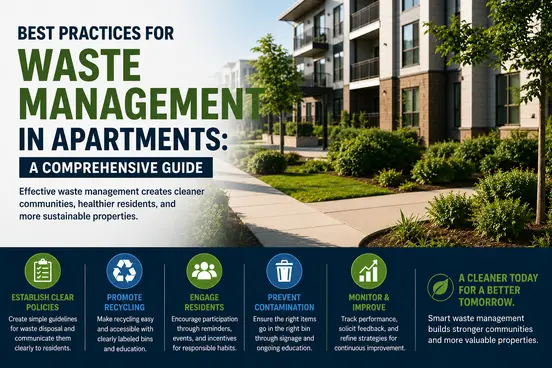
Effective waste management in apartment complexes represents one of the most critical operational challenges facing property managers and multifamily housing developers today. As urban populations continue to grow and residential density increases, the complexity of managing waste streams in multi-unit buildings has evolved into a sophisticated discipline requiring strategic planning, technological integration, and comprehensive understanding of regulatory requirements.
The importance of implementing robust waste management systems extends far beyond simple trash collection. Property managers who prioritize effective waste management practices experience significant improvements in tenant satisfaction, operational efficiency, and overall property value. Modern apartment complexes generate diverse waste streams, including organic materials, recyclables, hazardous substances, and general refuse, each requiring specialized handling protocols to ensure compliance with local regulations and environmental standards.
Apartment communities face unique challenges that distinguish them from single-family residential waste management. High-density living creates concentrated waste generation, requiring more frequent collection schedules and larger storage capacities. Additionally, the diverse demographics of apartment residents often result in varying levels of environmental awareness and compliance with waste segregation protocols, necessitating comprehensive education programs and clear communication strategies.
The benefits of implementing best practices for waste management in apartments are multifaceted and substantial. Property managers report reduced operational costs through optimized collection schedules and waste stream efficiency. Environmental benefits include decreased landfill contributions and improved recycling rates. Most importantly, well-managed waste systems contribute to enhanced resident satisfaction, reduced pest problems, improved property aesthetics, and stronger community relationships, ultimately supporting higher occupancy rates and property values.
Understanding Waste Management Practices
Waste management encompasses the systematic collection, transportation, processing, recycling, and disposal of waste materials generated within residential communities. In apartment settings, this involves coordinating multiple stakeholders, including property management teams, residents, waste collection services, and regulatory authorities, to create seamless systems that prioritize efficiency, environmental responsibility, and regulatory compliance.
Apartment complexes generate several distinct categories of waste that require specialized management approaches. Organic waste, including food scraps and yard trimmings, represents approximately 30% of residential waste streams and offers significant opportunities for composting and diversion from landfills. Recyclable materials, such as paper, cardboard, plastics, glass, and metals, require proper segregation and clean collection protocols to maintain their value in recycling markets. General refuse includes non-recyclable materials that require traditional landfill disposal, while hazardous waste, including batteries, electronics, paint, and cleaning chemicals, demands specialized collection and processing to prevent environmental contamination.
Understanding the volume and composition of waste generated in apartment communities is essential for developing effective management strategies. Multi-unit buildings typically produce 4-6 pounds of waste per resident per day, with significant variations based on demographics, seasonal factors, and local recycling infrastructure. Peak waste generation periods often coincide with move-in and move-out seasons, requiring flexible capacity planning and enhanced collection services.
Federal, state, and local regulations significantly influence waste management practices in apartment complexes. The Resource Conservation and Recovery Act (RCRA) establishes federal guidelines for waste management, while state and local ordinances often mandate specific recycling requirements, organic waste diversion targets, and hazardous waste handling protocols. Many municipalities have implemented mandatory recycling programs with penalties for non-compliance, making regulatory awareness essential for property managers.
Additionally, emerging legislation focuses on extended producer responsibility, packaging waste reduction, and circular economy principles, creating new compliance requirements for residential properties. Property managers must stay informed about evolving regulations and work with qualified waste management partners to ensure ongoing compliance while minimizing operational disruptions and potential penalties.
Best Practices for Waste Management in Apartments
1. Conduct Regular Waste Audits
Implementing comprehensive waste audits represents the foundation of effective waste management programs in apartment communities. These systematic evaluations provide detailed insights into waste generation patterns, composition analysis, and optimization opportunities that inform strategic decision-making and resource allocation. Professional waste audits should be conducted quarterly to capture seasonal variations and track improvement progress over time.
Effective waste audits involve physical examination of waste streams, documentation of contamination rates in recycling containers, measurement of waste volumes by category, and identification of opportunities for waste reduction and diversion. Property managers should collaborate with waste management professionals to ensure audits follow standardized methodologies and produce actionable data for program improvements.
The results of waste audits enable property managers to optimize collection schedules, right-size container capacities, identify resident education opportunities, and negotiate more favorable contracts with waste service providers. Additionally, audit data supports grant applications for sustainability initiatives and provides baseline measurements for tracking environmental impact improvements.
2. Educate Residents on Waste Segregation
Comprehensive resident education programs are essential for successful waste management implementation in apartment communities. Effective education strategies combine multiple communication channels, including welcome packets for new residents, periodic newsletters, digital communications, signage systems, and community events focused on environmental awareness and proper waste handling procedures.
Educational content should address proper sorting techniques for different waste categories, contamination prevention strategies, hazardous waste disposal options, and the environmental and economic benefits of effective waste management. Visual aids, including color-coded signage and infographics, help overcome language barriers and improve compliance rates across diverse resident populations.
Regular communication about waste management performance, including recycling rates and contamination levels, helps maintain resident engagement and reinforces the importance of individual contributions to community-wide sustainability goals. Property managers should also provide feedback mechanisms for residents to report issues and suggest improvements to waste management systems.
3. Implement Scheduled Trash Valet Services
Professional trash valet services represent a premium amenity that significantly improves waste management efficiency while enhancing resident satisfaction and property differentiation. These services involve trained personnel collecting waste and recycling materials directly from individual apartment units on scheduled days, eliminating the need for residents to transport materials to central collection areas.
Trash valet services provide numerous operational benefits, including improved waste segregation compliance, reduced contamination in recycling streams, enhanced property cleanliness, decreased pest problems, and improved safety by reducing resident trips to potentially hazardous dumpster areas. Additionally, valet services can accommodate special collection needs, such as bulk item removal and hazardous waste handling.
When implementing trash valet services, property managers should establish clear service schedules, provide residents with appropriate containers, develop protocols for missed collections, and maintain regular communication about service expectations and performance standards. Professional valet services also provide valuable data about waste generation patterns and resident compliance that supports ongoing program optimization.
4. Utilize Quality Waste Containers
Strategic selection and deployment of appropriate waste containers significantly impact the effectiveness of apartment waste management systems. High-quality containers should be durable, appropriately sized, clearly labeled, and designed to prevent pest access while facilitating efficient collection operations.
Container selection should consider waste volume projections, collection frequency, weather resistance, security features, and aesthetic integration with property design. Color-coded systems help residents identify appropriate containers for different waste streams, while clear labeling with visual indicators improves compliance rates across diverse populations.
Regular maintenance of waste containers, including cleaning, repair, and replacement schedules, ensures optimal functionality and prevents issues that could compromise waste management effectiveness. Property managers should also consider smart container technologies that provide real-time fill level monitoring and optimize collection schedules based on actual usage patterns.
5. Partner with Reliable Waste Management Companies
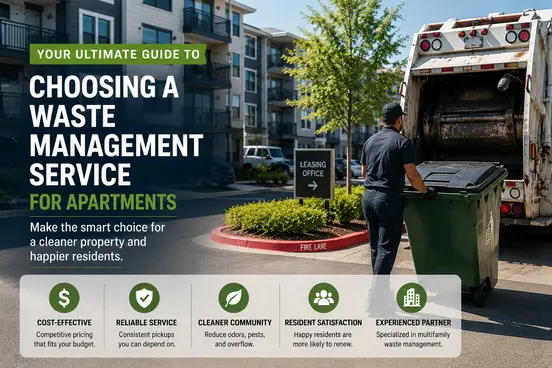
Selecting qualified waste management partners is crucial for implementing successful apartment waste management programs. Reliable partners provide consistent service delivery, regulatory compliance expertise, innovative solutions, competitive pricing, and responsive customer support that enables property managers to focus on core operational responsibilities.
Evaluation criteria for waste management partners should include service reliability track records, regulatory compliance history, environmental sustainability commitments, technology capabilities, pricing transparency, and local market expertise. Long-term partnerships with reputable providers often result in improved service quality, cost savings, and access to innovative solutions as they become available.
Effective partnerships involve regular performance reviews, clear communication protocols, collaborative problem-solving approaches, and shared commitment to continuous improvement. Property managers should maintain open dialogue with service providers about emerging challenges, regulatory changes, and optimization opportunities that benefit both parties and improve overall waste management effectiveness.
Comparison of Waste Management Approaches
The evolution of waste management practices in apartment communities reflects a fundamental shift from traditional reactive approaches to modern proactive strategies that prioritize efficiency, sustainability, and resident satisfaction. Traditional waste management typically focused on basic collection and disposal services with minimal attention to waste reduction, recycling optimization, or environmental impact considerations. These conventional approaches often resulted in higher operational costs, increased environmental impact, and missed opportunities for operational efficiency improvements.
Traditional waste management systems typically feature fixed collection schedules regardless of actual waste generation patterns, limited recycling programs with high contamination rates, minimal resident education initiatives, and basic container systems without optimization for different waste streams. These approaches often struggle to adapt to changing regulations, resident expectations, and environmental standards, resulting in compliance challenges and operational inefficiencies.
Modern waste management approaches emphasize data-driven decision making, comprehensive waste stream optimization, advanced technology integration, and collaborative partnerships between property managers, service providers, and residents. These contemporary strategies leverage waste audits, smart container technologies, comprehensive recycling programs, and professional services like trash valet programs to achieve superior results across multiple performance metrics.
Cost-effectiveness analysis reveals that modern waste management approaches often provide superior long-term value despite potentially higher upfront investments. While traditional approaches may appear less expensive initially, they frequently result in higher total costs when considering regulatory compliance issues, missed recycling revenue opportunities, increased pest control expenses, and potential penalties for non-compliance with evolving environmental regulations.
Modern waste management strategies generate cost savings through optimized collection schedules that reduce unnecessary service calls, improved recycling programs that capture revenue from valuable materials, reduced contamination rates that prevent recycling program penalties, and enhanced operational efficiency that minimizes staff time devoted to waste-related issues. Additionally, premium services like trash valet programs can justify higher rental rates and improve tenant retention, providing indirect financial benefits that offset service costs.
Environmental impact comparisons demonstrate significant advantages for modern waste management approaches. Traditional systems typically achieve recycling rates of 15-25% and contribute substantially to landfill waste streams. Modern approaches routinely achieve recycling rates exceeding 40% while implementing organic waste diversion programs that further reduce environmental impact. These improvements support corporate sustainability goals, regulatory compliance, and community environmental stewardship objectives that increasingly influence property values and market competitiveness.
Case Studies: Success Stories in Waste Management
Example 1: Luxury Multifamily Housing Development - Metro Gardens Apartments
Metro Gardens, a 250-unit luxury apartment complex, implemented comprehensive waste management best practices that resulted in remarkable operational improvements and resident satisfaction gains. The property management team partnered with professional waste management consultants to conduct detailed waste audits, implement trash valet services, and develop comprehensive resident education programs.
The implementation process began with baseline waste audits that revealed recycling contamination rates exceeding 40% and identified significant opportunities for organic waste diversion. The management team introduced color-coded container systems, comprehensive signage programs, and weekly trash valet services that collected materials directly from resident doors. Additionally, they established monthly sustainability workshops and implemented digital communication strategies to maintain ongoing resident engagement.
Results after twelve months included recycling contamination rates reduced to less than 15%, overall waste generation decreased by 22% through source reduction initiatives, resident satisfaction scores improved by 18%, and the property achieved local environmental certification that supported premium rental positioning in the competitive market.
Example 2: Commercial Property Waste Management Strategy - Riverside Business Center
Riverside Business Center, a mixed-use development combining residential units with commercial spaces, faced unique waste management challenges requiring integrated solutions for diverse waste streams. The property management team implemented comprehensive waste management strategies that addressed both residential and commercial requirements while optimizing operational efficiency and regulatory compliance.
The integrated approach included separate collection systems for residential and commercial waste streams, specialized handling for restaurant and retail waste, comprehensive recycling programs with tenant education components, and coordinated collection schedules that minimized disruption to business operations. Professional waste management partners provided specialized services including grease trap maintenance, cardboard recycling, and hazardous waste collection for commercial tenants.
Implementation results demonstrated the effectiveness of integrated waste management approaches, with overall waste costs reduced by 25% through optimized collection schedules and improved recycling revenue, tenant satisfaction improved through responsive service delivery, and regulatory compliance maintained across all waste streams despite complex requirements.
Conclusion and Call to Action
The implementation of best practices for waste management in apartments represents a critical investment in operational efficiency, environmental stewardship, and resident satisfaction that delivers substantial returns across multiple performance metrics. Property managers who prioritize comprehensive waste management strategies position their properties for long-term success in increasingly competitive markets while contributing to broader environmental sustainability goals.
Effective waste management requires strategic planning, professional partnerships, ongoing resident engagement, and commitment to continuous improvement based on performance data and evolving best practices. The integration of modern technologies, professional services, and comprehensive education programs creates synergistic benefits that exceed the sum of individual components, resulting in superior outcomes for property managers, residents, and the broader community.
The comparative analysis of traditional versus modern waste management approaches clearly demonstrates the superior value proposition of contemporary strategies that emphasize data-driven decision making, technology integration, and collaborative partnerships. While implementation may require initial investments, the long-term benefits include reduced operational costs, improved regulatory compliance, enhanced resident satisfaction, and positive environmental impact that supports property values and market positioning.
Success stories from multifamily housing developments and commercial properties demonstrate the practical feasibility and substantial benefits of implementing comprehensive waste management best practices. These real-world examples provide confidence that similar results are achievable across diverse property types and market conditions when appropriate strategies are implemented with professional support and ongoing commitment to excellence.
Ready to transform your property's waste management system?
First Priority Disposal specializes in comprehensive waste management solutions, trash valet services, and property maintenance services designed specifically for apartment complexes and commercial properties. Our team of experts can conduct detailed waste audits, implement customized waste management programs, and provide ongoing support to ensure optimal performance and regulatory compliance.
Contact First Priority Disposal today at 757-250-7985 or visit https://firstprioritydisposal.com/ to schedule a free consultation and discover how our professional waste management solutions can enhance your property's operational efficiency, resident satisfaction, and environmental performance. Let us help you implement the best practices for waste management in apartments that will position your property for long-term success.