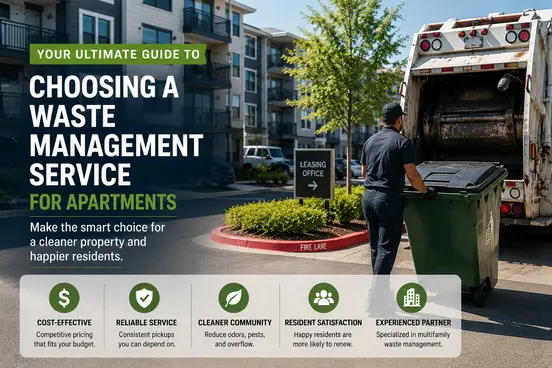
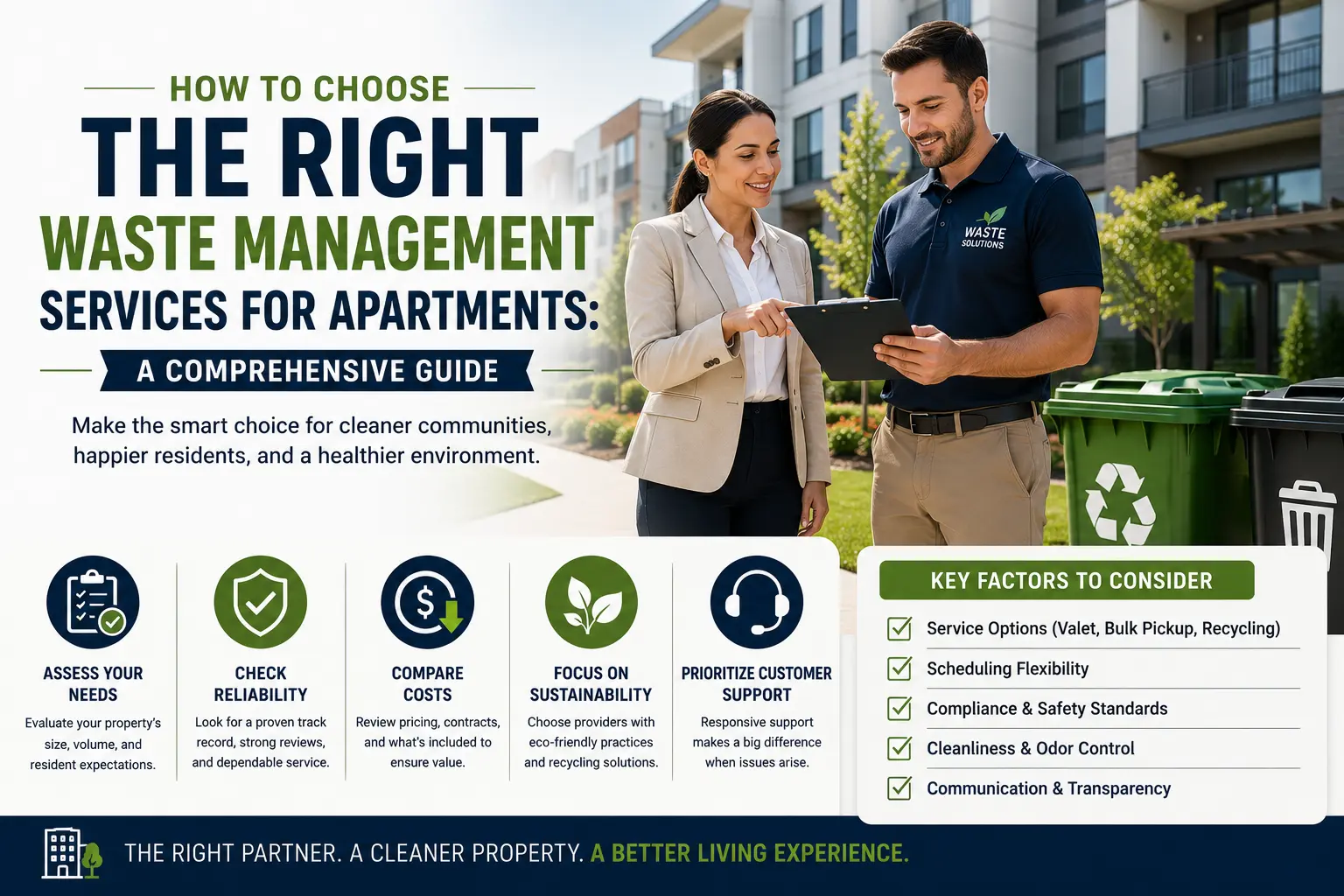
Selecting the right waste management services for apartment complexes is a critical decision that significantly impacts tenant satisfaction, operational efficiency, and property value. Property managers face the challenge of balancing cost-effectiveness with service quality while ensuring compliance with local regulations and environmental standards. The wrong choice can lead to overflowing dumpsters, unhappy residents, pest problems, and potential health code violations that damage your property's reputation.
Modern apartment communities require sophisticated waste management solutions that go beyond basic trash pickup. Today's residents expect convenient, reliable, and environmentally responsible waste disposal options that enhance their living experience. Whether you're managing a small residential complex or overseeing multiple high-rise buildings, understanding how to choose waste management services for apartments will help you make informed decisions that benefit both your bottom line and tenant retention rates.
This comprehensive guide will walk you through every aspect of selecting the ideal waste management provider for your property. From assessing your specific needs to evaluating provider performance, you'll gain the knowledge necessary to partner with a service that delivers consistent results and supports your property management goals.
Understanding Your Waste Management Needs
Before exploring potential waste management providers, conducting a thorough assessment of your property's specific needs is essential. The volume of waste generated varies significantly based on factors such as building size, tenant demographics, unit count, and seasonal fluctuations. A 50-unit complex generates vastly different waste volumes compared to a 300-unit high-rise development, requiring tailored service approaches.
Start by analyzing your current waste generation patterns over several months. Document peak disposal periods, typically occurring around holidays, move-in/move-out seasons, and weekend periods when residents are more likely to be home. Understanding these patterns helps determine optimal pickup frequencies and container sizing requirements. Consider conducting waste audits to identify the composition of your waste stream, including recyclables, organic waste, and bulk items.
Identifying specific waste types is crucial for comprehensive service planning. Standard household trash represents only one component of apartment waste management needs. Properties must also address recycling materials, bulk item disposal, hazardous waste handling, and seasonal debris like yard waste or holiday decorations. Some complexes generate significant amounts of cardboard from package deliveries, requiring specialized collection strategies.
Geographic considerations also influence your waste management requirements. Properties in urban areas may face different challenges than suburban complexes, including limited access for collection vehicles, noise restrictions, and higher service costs. Evaluate your property's accessibility, including driveway width, turning radius requirements, and any obstacles that might affect service delivery.
Finally, consider future growth and development plans. If you're planning renovations, adding units, or expanding amenities, your waste management needs will evolve accordingly. Choose providers who can scale their services to accommodate changing requirements without significant disruption to your operations.
Types of Waste Management Services
Understanding the full spectrum of available waste management services helps property managers make comprehensive decisions that address all aspects of their waste handling needs. Trash valet services have become increasingly popular in apartment communities, offering door-to-door collection that enhances tenant convenience and satisfaction. This premium service involves trained personnel collecting waste directly from residents' doorsteps on scheduled days, eliminating the need for tenants to walk to distant dumpsters or collection areas.
Residential trash collection represents the foundation of apartment waste management, encompassing regular pickup schedules for standard household waste. Modern residential services often include multiple waste streams, separating recyclables, organic waste, and general trash. These services typically operate on fixed schedules, with pickup frequencies ranging from daily to weekly depending on property size and waste generation rates.
Commercial cleaning services extend beyond basic waste collection to include comprehensive facility maintenance. These services encompass common area cleaning, restroom maintenance, lobby upkeep, and specialized cleaning for amenity spaces like fitness centers, pools, and community rooms. Integrated cleaning and waste management services provide operational efficiency and single-point accountability for property cleanliness standards.
Janitorial services focus on maintaining indoor spaces, including hallways, stairwells, elevators, and other shared areas. Professional janitorial teams use commercial-grade equipment and cleaning products to ensure consistent cleanliness standards that reflect positively on property management quality. These services often include floor care, window cleaning, and periodic deep cleaning of high-traffic areas.
Post-construction cleaning options become essential during renovation projects or new construction phases. These specialized services address construction debris, dust removal, and detailed cleaning required to prepare spaces for occupancy. Post-construction cleaning requires specific expertise and equipment to handle construction materials safely and efficiently.
Property maintenance services complement waste management by addressing broader facility needs. These services may include landscaping debris removal, snow removal, minor repairs, and preventive maintenance tasks. Comprehensive property maintenance partnerships streamline vendor management while ensuring consistent service delivery across all facility management aspects.
Key Factors to Consider When Choosing a Waste Management Service
Cost considerations extend beyond basic service fees to include the total cost of ownership for waste management services. Evaluate pricing structures carefully, comparing flat-rate contracts with variable pricing based on actual usage. Consider additional fees for services like bulk item pickup, emergency collections, or holiday service adjustments. Request detailed pricing breakdowns that include all potential charges to avoid unexpected costs throughout the contract period.
Service coverage area determines provider availability and can significantly impact pricing and service quality. Local providers often offer more personalized service and competitive pricing for properties within their primary service areas. However, larger regional or national providers may offer more comprehensive services and greater reliability during peak periods or service disruptions. Verify that potential providers can reliably service your location with appropriate equipment and staffing.
Reputation and reviews provide valuable insights into provider performance and customer satisfaction levels. Research online reviews, Better Business Bureau ratings, and industry certifications to assess provider credibility. Contact references from similar properties to gather firsthand feedback about service quality, reliability, and problem resolution capabilities. Pay particular attention to reviews from other property managers or apartment complex operators who face similar challenges.
Certifications and compliance requirements vary by location and waste type, making provider credentials essential evaluation criteria. Verify that potential providers maintain proper licensing, insurance coverage, and environmental compliance certifications. Providers should demonstrate knowledge of local regulations governing waste disposal, recycling requirements, and hazardous material handling. Request documentation of their safety training programs and environmental compliance procedures.
Customer support and service reliability directly impact your operational efficiency and tenant satisfaction. Evaluate provider communication systems, including emergency contact procedures, service request processing, and problem resolution protocols. Assess their ability to accommodate special requests, schedule changes, and urgent service needs. Consider providers who offer digital platforms for service management, allowing you to track service delivery, submit requests, and monitor performance metrics.
Comparing Waste Management Providers
Creating a systematic comparison framework helps property managers evaluate waste management providers objectively and make informed decisions. Develop a comprehensive comparison chart that includes all relevant factors such as pricing, service offerings, coverage areas, and contract terms. This structured approach ensures that you evaluate all providers using consistent criteria and can easily identify the best fit for your specific needs.
When comparing residential waste management providers, consider both large national companies and local service providers. National providers often offer standardized service packages, extensive resources, and consistent service delivery across multiple locations. They typically have robust backup systems and can handle large-scale operations efficiently. However, local providers may offer more personalized service, competitive pricing, and greater flexibility in customizing services to meet specific property requirements.
Examine the pros and cons of different service models carefully. Full-service providers handle all aspects of waste management, from collection to disposal, offering single-point accountability and streamlined operations. Specialized providers may excel in specific areas like recycling or hazardous waste handling but require coordination with multiple vendors. Consider hybrid approaches that combine different providers for optimal service coverage and cost-effectiveness.
Real-life case studies demonstrate how different waste management approaches perform in actual apartment complex environments. For example, a 200-unit complex in Virginia Beach successfully implemented trash valet services, resulting in a 25% increase in tenant satisfaction scores and reduced maintenance costs for dumpster area upkeep. The property manager reported that residents appreciated the convenience and the property maintained a cleaner appearance throughout the community.
Another case study involves a mixed-use development that integrated commercial cleaning services with waste management, achieving operational efficiencies and cost savings. By partnering with a provider offering both services, the property reduced vendor management overhead and improved service coordination. The integrated approach also enhanced communication and problem resolution since one provider handled multiple facility management aspects.
Consider the scalability of different providers when evaluating options. Properties planning expansion or facing seasonal occupancy fluctuations need providers capable of adjusting service levels efficiently. Some providers excel at handling growth while others may struggle with significant volume changes. Evaluate their track record with similar properties and their ability to accommodate changing needs without service disruptions.
Evaluating Provider Performance
Establishing clear performance metrics enables property managers to monitor waste management service quality objectively and identify areas for improvement. Develop key performance indicators that align with your property management goals, including service reliability, response times, tenant satisfaction, and cost-effectiveness. Regular performance monitoring helps ensure that providers meet contractual obligations and maintain service standards throughout the partnership.
Service quality monitoring should encompass multiple dimensions of waste management performance. Track pickup schedule adherence, noting any missed collections or delays that impact tenant satisfaction. Monitor the cleanliness of collection areas, ensuring that providers maintain tidy dumpster areas and promptly address spills or overflow situations. Document any service-related complaints from tenants and evaluate how quickly and effectively providers resolve issues.
Gathering feedback from tenants provides valuable insights into waste management service performance from the end-user perspective. Implement regular tenant surveys that include questions about waste collection convenience, cleanliness, and overall satisfaction. Consider using digital survey platforms that make it easy for residents to provide feedback and track satisfaction trends over time. Pay attention to recurring complaints or suggestions that might indicate systemic service issues.
Regular assessments and reporting help maintain accountability and identify opportunities for service improvements. Schedule quarterly or semi-annual reviews with your waste management provider to discuss performance metrics, address any concerns, and explore potential service enhancements. Request detailed service reports that include pickup schedules, volume data, and any incidents or special circumstances that affected service delivery.
Implement a feedback loop that allows for continuous improvement in waste management services. Share tenant feedback with providers and work collaboratively to address any identified issues. Consider conducting annual competitive assessments to ensure that your current provider continues to offer competitive pricing and service levels compared to alternative options in the market.
Integrating Sustainable Practices
Environmental sustainability has become a critical consideration for apartment communities, with eco-friendly waste services increasingly important to both property managers and tenants. Modern residents often prioritize environmentally responsible practices when choosing where to live, making sustainable waste management a valuable amenity that can enhance property appeal and support marketing efforts. Implementing comprehensive recycling programs, composting initiatives, and waste reduction strategies demonstrates environmental stewardship while potentially reducing disposal costs.
Recycling and composting options vary significantly among waste management providers, requiring careful evaluation of available programs and their effectiveness. Comprehensive recycling services should include multiple material streams such as paper, cardboard, plastics, glass, and metals. Some providers offer single-stream recycling that simplifies the process for residents, while others require source separation for optimal recycling rates. Evaluate the provider's recycling education programs and their ability to help tenants understand proper recycling practices.
Composting programs represent an advanced sustainability option that can significantly reduce organic waste volumes while creating valuable soil amendments. Some progressive waste management providers offer organic waste collection services that divert food scraps and yard waste from landfills. Consider the feasibility of composting programs based on your tenant demographics, available space for collection containers, and local regulations governing organic waste handling.
Communication with tenants about sustainability efforts plays a crucial role in program success and tenant engagement. Develop comprehensive education programs that help residents understand recycling guidelines, composting procedures, and waste reduction strategies. Use multiple communication channels including newsletters, digital platforms, and community bulletin boards to share sustainability information and celebrate environmental achievements.
Waste reduction initiatives can complement recycling and composting programs while reducing overall disposal costs. Consider implementing programs that address common waste streams such as electronic waste recycling events, clothing donation drives, and bulk item exchange programs. Partner with local organizations to create opportunities for residents to donate or recycle items that might otherwise end up in landfills.
Monitor and report on your sustainability achievements to demonstrate environmental impact and engage tenants in ongoing efforts. Track metrics such as recycling rates, waste diversion percentages, and overall waste reduction to quantify your environmental impact. Share these achievements with residents through regular communications that reinforce the community's commitment to environmental responsibility and encourage continued participation in sustainability programs.
Conclusion and Next Steps
Selecting the right waste management services for apartments requires careful consideration of multiple factors, from basic service needs to advanced sustainability initiatives. Property managers must balance cost-effectiveness with service quality while ensuring that their chosen provider can adapt to changing requirements and maintain consistent performance standards. The decision-making process involves evaluating your specific needs, comparing available providers, and establishing performance monitoring systems that ensure ongoing service excellence.
The key to successful waste management partnerships lies in thorough preparation and ongoing communication with your chosen provider. By understanding your property's unique requirements, establishing clear expectations, and maintaining regular performance assessments, you can create a waste management program that enhances tenant satisfaction while supporting your operational goals. Remember that waste management services directly impact your property's appearance, tenant retention, and overall success as a residential community.
As you move forward with selecting waste management services for your apartment complex, consider partnering with a provider that offers comprehensive solutions tailored to your specific needs. First Priority Disposal specializes in delivering reliable waste management, trash valet services, and commercial cleaning solutions for apartment communities throughout the region. Our professional team understands the unique challenges facing property managers and offers customized service packages that enhance tenant satisfaction while maintaining cost-effectiveness.
Ready to transform your apartment community's waste management experience?
Contact First Priority Disposal at 757-250-7985 to schedule a personalized consultation and discover how our comprehensive waste management solutions can enhance your property's operations and tenant satisfaction.