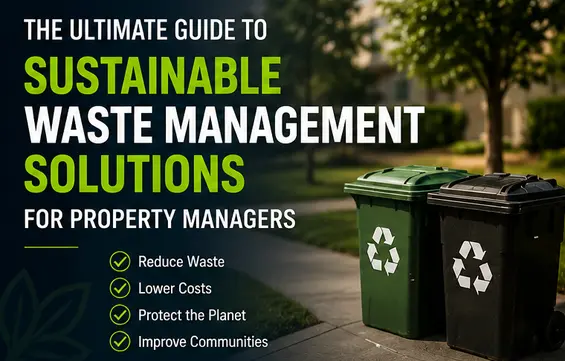
In today's environmentally conscious landscape, property managers face increasing pressure to implement sustainable waste management solutions that align with both regulatory requirements and tenant expectations. Sustainable waste management encompasses a comprehensive approach to reducing, reusing, and recycling waste materials while minimizing environmental impact through strategic planning and innovative technologies.
The importance of sustainable waste management in property management extends far beyond environmental stewardship. Modern tenants, particularly millennials and Gen Z residents, actively seek properties that demonstrate environmental responsibility. Commercial tenants increasingly evaluate potential locations based on sustainability credentials, viewing eco-friendly practices as essential business requirements rather than optional amenities.
Property managers who embrace sustainable waste management solutions position themselves at the forefront of industry evolution. These practices directly impact operational costs, regulatory compliance, tenant retention rates, and property values. The integration of sustainable approaches creates measurable benefits including reduced waste disposal fees, enhanced property marketability, and improved community relationships.
Furthermore, municipalities nationwide are implementing stricter waste diversion mandates, requiring property managers to adapt their strategies proactively. The shift toward sustainability represents both an opportunity and necessity for property management professionals seeking long-term success in competitive markets.
The Benefits of Sustainable Waste Management Solutions
Cost Savings
Implementing sustainable waste management solutions delivers substantial financial benefits through multiple revenue streams and cost reduction opportunities. Properties typically experience 20-30% reductions in waste disposal fees by implementing comprehensive recycling programs and waste diversion strategies. These savings compound annually, creating significant budget flexibility for other property improvements and maintenance initiatives.
Efficient waste management systems reduce the frequency of collection services required, directly lowering monthly service fees. Properties utilizing trash valet for apartments often discover that consolidated collection points and optimized routing schedules decrease overall operational expenses while improving service quality.
Environmental Impact
The environmental benefits of sustainable waste management solutions extend beyond immediate waste reduction. Properties implementing comprehensive sustainability programs typically divert 40-60% of waste from landfills through recycling, composting, and reuse initiatives. This diversion significantly reduces greenhouse gas emissions associated with waste transportation and decomposition.
Water conservation represents another critical environmental benefit. Sustainable cleaning solutions utilized in comprehensive waste management programs reduce harmful chemical runoff while maintaining high cleanliness standards. These eco-friendly approaches protect local water systems and support broader environmental health initiatives.
Improved Tenant Satisfaction
Modern tenants increasingly prioritize environmental responsibility when selecting residential and commercial properties. Surveys consistently demonstrate that 75% of prospective tenants consider sustainability practices important factors in their decision-making processes. Properties offering robust sustainable waste management solutions experience higher tenant retention rates and reduced vacancy periods.
Convenient recycling programs and efficient waste collection services enhance daily living experiences for residents. Well-designed systems eliminate common frustrations associated with overflowing dumpsters, missed collections, and inadequate recycling options.
Regulatory Compliance
Municipal regulations regarding waste management continue evolving toward stricter sustainability requirements. Properties implementing proactive sustainable waste management solutions ensure compliance with current and anticipated future regulations. This forward-thinking approach prevents costly penalties and mandatory retrofitting expenses.
Many jurisdictions offer tax incentives and rebates for properties demonstrating measurable waste reduction achievements. These financial benefits provide additional returns on sustainability investments while supporting long-term operational efficiency goals.
Types of Sustainable Waste Management Solutions
Waste Audits and Assessments
Comprehensive waste audits form the foundation of effective sustainable waste management solutions. Professional assessments analyze current waste streams, identifying specific opportunities for reduction, diversion, and optimization. These detailed evaluations examine waste composition, generation patterns, and disposal costs to establish baseline metrics for improvement tracking.
Waste audits typically reveal surprising insights about property-specific waste patterns. Many properties discover that 30-40% of disposed materials could be recycled or composted with appropriate systems in place. These findings inform targeted strategies for maximum environmental and financial impact.
Regular assessment schedules ensure continued optimization of waste management practices. Quarterly reviews allow property managers to adapt strategies based on seasonal variations, tenant changes, and evolving recycling markets.
Recycling Programs
Comprehensive recycling programs represent cornerstone elements of sustainable waste management solutions. Effective programs accommodate diverse material streams including paper, cardboard, plastics, metals, glass, and electronic waste. Strategic placement of clearly labeled collection containers encourages participation while maintaining aesthetic standards.
Single-stream recycling systems simplify participation requirements, increasing overall program effectiveness. These user-friendly approaches eliminate sorting confusion while maintaining material quality standards required by recycling processors.
Specialized recycling initiatives address unique waste streams common in multifamily properties. Battery collection programs, textile recycling drives, and electronic waste events provide convenient disposal options for items requiring special handling.
Composting Initiatives
Organic waste composting programs significantly reduce overall waste volumes while creating valuable soil amendments. Food waste typically comprises 20-30% of residential waste streams, representing substantial diversion opportunities. On-site composting systems or partnerships with local composting facilities provide practical implementation options.
Community garden integration enhances composting program appeal while building tenant engagement. Properties with available space can establish garden areas utilizing compost produced from resident organic waste, creating visible sustainability demonstrations.
Innovative Trash Valet Services
Modern trash valet for apartments incorporates sustainability principles throughout service delivery. Professional valet services optimize collection routes, reduce individual container requirements, and facilitate proper waste sorting. These comprehensive approaches improve convenience while supporting environmental objectives.
Technology integration enhances valet service efficiency through route optimization software and real-time tracking systems. Smart scheduling reduces fuel consumption and vehicle emissions while ensuring reliable service delivery.
Eco-Friendly Cleaning Solutions
Sustainable cleaning solutions complement comprehensive waste management programs by reducing chemical waste and packaging requirements. Concentrated cleaning products minimize transportation impacts while delivering superior cleaning performance. Refillable dispensing systems eliminate single-use packaging waste.
Green cleaning protocols protect indoor air quality while reducing environmental impact. These approaches particularly benefit properties housing sensitive populations including children, elderly residents, and individuals with respiratory conditions.
Implementing a Sustainable Waste Management Plan
Step 1: Assess Current Waste Management Practices
Begin implementation by conducting thorough assessments of existing waste management practices across all property areas. Document current service providers, collection schedules, container types, and associated costs. Analyze waste generation patterns by examining disposal records over 12-month periods to identify seasonal variations and trends.
Evaluate physical infrastructure including dumpster locations, recycling container availability, and accessibility for collection vehicles. Assess tenant participation in existing recycling programs and identify barriers preventing increased engagement. Survey residents and commercial tenants to understand current satisfaction levels and preferences for sustainable waste management solutions.
Review municipal requirements and available incentives for waste diversion programs. Research local recycling markets and composting facilities to understand available options and requirements. This comprehensive baseline assessment provides essential data for developing targeted improvement strategies.
Engage professional waste management consultants when necessary to ensure accurate assessments and identify opportunities that internal evaluations might overlook. Expert analysis often reveals cost-saving opportunities and efficiency improvements that justify consultation investments.
Step 2: Set Sustainability Goals
Establish specific, measurable sustainability goals aligned with property objectives and municipal requirements. Typical goals include waste diversion percentages, cost reduction targets, and tenant satisfaction improvements. Set both short-term milestones and long-term objectives to maintain momentum and demonstrate progress.
Consider industry benchmarks when establishing goals. High-performing properties typically achieve 50-70% waste diversion rates through comprehensive sustainable waste management solutions. Commercial properties often target additional goals including energy reduction and water conservation metrics.
Develop timeline frameworks for goal achievement, incorporating realistic implementation phases. Allow adequate time for tenant education, infrastructure installation, and system optimization. Build flexibility into timelines to accommodate unexpected challenges or opportunities.
Document goals clearly and communicate them to all stakeholders including property management teams, service providers, and tenants. Transparent goal-setting builds accountability and encourages participation in sustainability initiatives.
Step 3: Choose Waste Management Partners
Select waste management partners committed to sustainability principles and demonstrated expertise in eco-friendly waste disposal. Evaluate potential partners based on service capabilities, sustainability credentials, technology integration, and local market knowledge. Request detailed proposals outlining specific approaches for achieving established sustainability goals.
Prioritize partners offering comprehensive services including recycling programs, composting options, and educational support. Single-source providers often deliver better coordination and accountability compared to multiple vendor arrangements. Evaluate technology capabilities including route optimization, tracking systems, and reporting tools.
Review partner sustainability certifications and environmental compliance records. Reputable providers maintain transparent reporting on their own environmental impact and demonstrate continuous improvement in sustainability practices.
Negotiate service agreements incorporating sustainability performance metrics and accountability measures. Include provisions for regular performance reviews and adjustment opportunities based on changing needs or market conditions.
Step 4: Monitor and Track Waste Progress
Implement comprehensive monitoring systems to track progress toward sustainability goals and identify optimization opportunities. Utilize technology solutions for real-time data collection and analysis. Regular monitoring enables proactive adjustments and demonstrates return on investment to stakeholders.
Establish key performance indicators including waste diversion rates, cost per unit, tenant satisfaction scores, and environmental impact metrics. Monthly reporting schedules provide adequate frequency for trend identification without overwhelming administrative requirements.
Create feedback loops connecting monitoring data to operational adjustments. Use performance insights to refine collection schedules, adjust container placement, enhance education programs, and optimize service provider relationships.
Share progress reports with tenants and stakeholders to maintain engagement and demonstrate commitment to sustainability objectives. Transparent reporting builds trust and encourages continued participation in sustainable waste management solutions.
Challenges in Sustainable Waste Management
Resistance from Residents
Tenant resistance represents one of the most common challenges in implementing sustainable waste management solutions. Many residents express concerns about convenience, cleanliness, and additional responsibilities associated with new waste management procedures. Some tenants worry that recycling programs will attract pests or create unsightly conditions around collection areas.
Overcoming resistance requires comprehensive education campaigns highlighting personal benefits alongside environmental advantages. Emphasize cost savings that may translate to reduced fees or improved amenities. Demonstrate how modern sustainable systems often provide greater convenience than traditional waste management approaches.
Address specific concerns through targeted communication and system design modifications. Install adequate lighting around collection areas, ensure regular cleaning schedules, and provide clear instructions for proper waste sorting. Consider incentive programs rewarding participation in sustainability initiatives.
Gradual implementation phases allow residents to adapt to new procedures without feeling overwhelmed. Start with simple recycling programs before introducing more complex composting or specialized waste streams.
Costs Involved in Transition
Initial implementation costs for sustainable waste management solutions can appear substantial, particularly for properties requiring infrastructure upgrades or service provider transitions. Container purchases, signage installation, and education program development require upfront investments that may strain annual budgets.
However, comprehensive cost-benefit analyses typically demonstrate positive returns within 12-18 months through reduced disposal fees and operational efficiencies. Properties implementing sustainable waste management solutions often discover that long-term savings significantly exceed initial investment costs.
Explore financing options including municipal grants, utility rebates, and phased implementation approaches to minimize immediate budget impacts. Many waste management service providers offer equipment leasing programs that spread costs over time while providing immediate access to necessary infrastructure.
Consider partnering with other properties or property management companies to achieve economies of scale in equipment purchases and service negotiations.
Lack of Awareness or Education
Insufficient education about proper waste sorting and sustainability benefits undermines even well-designed sustainable waste management solutions. Many tenants lack knowledge about local recycling requirements, contamination prevention, or composting procedures. This knowledge gap leads to program inefficiencies and reduced environmental benefits.
Develop comprehensive education programs utilizing multiple communication channels including printed materials, digital platforms, community meetings, and hands-on demonstrations. Tailor educational content to specific tenant demographics and language preferences to maximize effectiveness.
Partner with local environmental organizations and municipal agencies to access educational resources and expertise. Many communities offer free educational programs and materials supporting property-level sustainability initiatives.
Implement ongoing education schedules rather than one-time training sessions. Regular reminders and updates help maintain program effectiveness as tenant populations change and recycling requirements evolve.
Finding Reliable Partners
Identifying waste management partners capable of delivering comprehensive sustainable waste management solutions requires careful evaluation and due diligence. Many service providers claim sustainability expertise without demonstrating measurable results or comprehensive service capabilities.
Research potential partners thoroughly, including customer references, sustainability certifications, and performance track records. Request detailed case studies demonstrating successful implementations of similar sustainable waste management solutions for comparable properties.
Evaluate service provider stability and long-term viability. Sustainability programs require consistent, reliable service delivery over extended periods. Choose partners with strong financial positions and established market presence.
Consider regional expertise and local market knowledge when selecting waste management partners. Providers familiar with local regulations, recycling markets, and municipal requirements deliver more effective solutions than national companies without local presence.
Case Studies of Successful Implementations
Example 1: Apartment Complex Recycling Program
Harbor View Apartments, a 200-unit multifamily property, implemented comprehensive sustainable waste management solutions that achieved remarkable results within 18 months. The property management team partnered with a local waste management provider to install single-stream recycling systems and implement resident education programs.
Initial waste audits revealed that 45% of disposed materials were recyclable, representing significant diversion opportunities. The property installed clearly marked recycling containers at convenient locations and provided each unit with recycling bins. Monthly educational newsletters and community events reinforced proper sorting procedures.
Results exceeded expectations, with waste diversion rates reaching 62% within the first year. Monthly waste disposal costs decreased by $1,200, creating annual savings of $14,400. Tenant satisfaction surveys showed 89% approval ratings for the new recycling program. The property received municipal recognition for outstanding environmental stewardship.
The success factors included consistent education, convenient container placement, and responsive customer service addressing tenant concerns promptly. Regular monitoring and adjustments optimized system performance while maintaining high participation rates.
Example 2: Successful Waste Transition in Commercial Property
Metro Business Center, a 150,000 square foot office complex, transformed its waste management approach through comprehensive sustainability initiatives. The property management team conducted detailed waste audits revealing opportunities for substantial improvements in recycling, composting, and waste reduction.
Implementation included installing comprehensive recycling systems, establishing food waste composting programs, and partnering with local organizations for electronic waste collection events. The property also implemented sustainable cleaning solutions throughout common areas and provided tenant education resources.
Within two years, the property achieved 70% waste diversion rates while reducing overall waste management costs by 35%. Tenant companies reported increased satisfaction with building amenities and several cited the sustainability program as factors in lease renewal decisions.
The property received LEED certification partially based on its exemplary waste management practices. Marketing materials highlighting sustainability achievements attracted environmentally conscious tenants and supported premium rental rates.
Example 3: HOA Boards Adopting Sustainable Practices
Riverside Community, a 300-home residential development, implemented sustainable waste management solutions through HOA initiative and resident engagement. The board conducted community surveys revealing strong support for enhanced recycling programs and environmental initiatives.
The implementation included negotiating new waste management contracts incorporating expanded recycling services, organizing quarterly hazardous waste collection events, and establishing community composting areas. Resident volunteers led education committees and organized sustainability workshops.
Community-wide participation exceeded 85% within six months, with waste diversion rates reaching 55%. Annual waste management costs decreased by $18,000, allowing the HOA to fund additional community improvements. Property values increased as the community gained recognition for environmental leadership.
The success demonstrated the importance of resident engagement and volunteer leadership in implementing effective sustainable waste management solutions. Regular communication and celebration of achievements maintained momentum and participation rates.
Conclusion and Future of Waste Management
The future of waste management increasingly emphasizes technological innovation, circular economy principles, and comprehensive sustainability integration. Smart waste management systems utilizing IoT sensors and data analytics optimize collection schedules, reduce operational costs, and minimize environmental impacts. These technologies enable real-time monitoring of container fill levels, contamination detection, and route optimization for maximum efficiency.
Artificial intelligence and machine learning applications enhance waste sorting accuracy and identify optimization opportunities across entire waste management systems. Properties implementing these advanced technologies achieve superior results compared to traditional approaches while positioning themselves for continued success as sustainability standards evolve.
Regulatory trends indicate continued strengthening of waste diversion requirements and environmental compliance standards. Properties implementing proactive sustainable waste management solutions today will adapt more easily to future regulatory changes while avoiding costly retrofitting requirements. Forward-thinking property managers recognize sustainability as essential business strategy rather than optional enhancement.
The circular economy concept increasingly influences waste management approaches, emphasizing waste prevention, reuse, and resource recovery over traditional disposal methods. Properties incorporating circular economy principles into their sustainable waste management solutions achieve superior environmental and financial results while supporting broader community sustainability objectives.
Consumer expectations continue evolving toward greater environmental responsibility from all service providers, including property management companies. Tenants increasingly evaluate properties based on sustainability credentials, making comprehensive waste management programs essential competitive advantages in modern markets.
Climate change concerns and resource scarcity issues reinforce the importance of sustainable waste management solutions for long-term property success. Properties demonstrating environmental leadership attract quality tenants, maintain higher occupancy rates, and achieve premium rental rates compared to properties lacking sustainability programs.
Transform your property's environmental impact and operational efficiency!
Partner with First Priority Disposal to deploy comprehensive sustainable waste management solutions from a team that specializes in custom eco-friendly programs.
Contact First Priority Disposal today at 757-250-7985 to schedule your complimentary assessment, or visit https://firstprioritydisposal.com/ to learn more about our innovative trash valet for apartments and sustainable property upgrades.