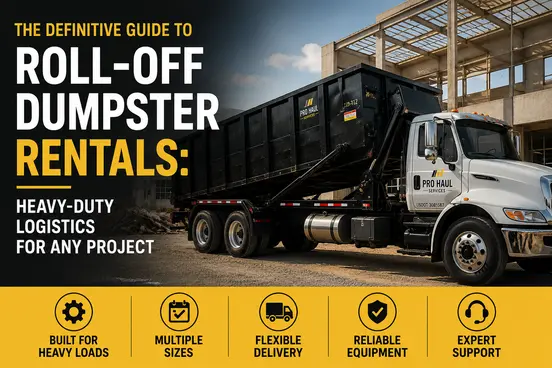
The Definitive Guide to Roll-Off Dumpster Rentals: Heavy-Duty Logistics for Any Project
When tackling a project of massive scale—whether it is breaking ground on a new commercial development, tearing off a multi-layer residential roof, or gutting a flooded basement—waste generation happens at a staggering, almost uncontrollable pace. Standard municipal garbage bins are instantly overwhelmed, and attempting to haul debris in the back of a personal pickup truck rapidly devolves into a highly expensive, deeply exhausting logistical nightmare. To maintain absolute order, ensure strict worker safety, and keep a project moving rapidly forward, contractors and homeowners alike rely heavily on one specific, specialized tool: the roll-off dumpster rental.
The roll-off dumpster is the absolute undisputed king of the temporary waste management industry. Unlike permanent commercial trash bins, these massive, open-top steel containers are engineered specifically for high-volume, temporary deployment. They are structurally designed to endure extreme physical abuse, safely contain thousands of pounds of jagged, dense materials, and be rapidly deployed and extracted from tight residential driveways and sprawling construction sites alike. However, successfully integrating a roll-off dumpster into your project requires far more than simply making a phone call. It demands a deep understanding of spatial logistics, strict environmental compliance, and heavy-duty transportation regulations.
This extensive, deeply detailed guide is engineered to serve as your ultimate resource for mastering the roll-off dumpster rental process. We will meticulously break down the unique mechanical design of these containers, thoroughly explain exactly how to mathematically estimate the optimal cubic yardage for your specific debris profile, and completely demystify the complex web of weight limits, local permits, and flat-rate pricing structures. By equipping yourself with this expert-level knowledge, you will completely eliminate the massive hidden costs and scheduling delays that routinely plague poorly planned projects, ensuring your site remains pristine, safe, and highly efficient from day one.
Understanding the Mechanics: What Exactly is a Roll-Off Dumpster?
To truly maximize the immense utility of a roll-off dumpster, you must first understand the brilliant mechanical engineering that defines it. The term "roll-off" is not merely a colloquialism; it is a highly literal description of the physical delivery and extraction process.
The Specialized Delivery System
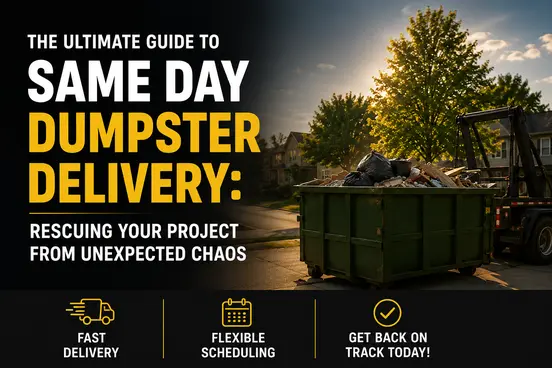
Roll-off dumpsters are exclusively transported by specialized, heavy-duty commercial trucks equipped with massive hydraulic lifting beds and incredibly powerful industrial cable winches. When the truck arrives at your property, the driver engages the hydraulic system to tilt the truck bed upward at a steep angle. Gravity, carefully controlled by the massive steel cable winch, allows the dumpster to slowly slide down the rails of the truck bed. The container physically rolls off the back of the truck along built-in heavy-duty steel wheels (or metal skids), coming to a safe, highly controlled rest exactly where you need it.
Open-Top Design and the Swinging Rear Door
Roll-off containers are visually defined by their long, rectangular footprint and completely open-top architecture. This lack of a restrictive lid allows heavy machinery, such as skid steers and excavators, to drop massive loads of debris directly into the container from above. Furthermore, virtually all modern roll-off dumpsters feature a massive, heavy-duty swinging door located at the rear of the container. This door is arguably the most critical ergonomic feature of the entire unit. It allows workers to literally walk heavy, incredibly dense items (like massive chunks of concrete, old refrigerators, or heavy wooden dressers) directly into the belly of the dumpster, completely eliminating the dangerous necessity of lifting back-breaking weight over the high steel walls.
Roll-Off vs. Permanent Commercial Dumpsters
It is absolutely critical to distinguish the temporary roll-off dumpster from the permanent, cubic front-load dumpsters you see behind grocery stores or apartment complexes. Permanent front-load dumpsters have heavy plastic lids, are emptied on a recurring weekly schedule by a truck with front hydraulic prongs, and are strictly designed for lightweight, bagged municipal solid waste. They structurally cannot handle construction debris. Roll-offs, conversely, are rented entirely on an on-demand, project-by-project basis and are engineered specifically to handle the most brutal, heavy, and awkward debris imaginable.
Choosing the Optimal Roll-Off Size for Your Project
The single most consequential decision you will make during the rental process is selecting the exact right container size. Roll-off dumpsters are universally measured in "cubic yards"—a strict volumetric measurement of the interior space. Ordering a container that is too small guarantees you will pay expensive secondary delivery fees for a second dumpster. Ordering one vastly too large means you are paying a massive premium for empty air.
10-Yard Dumpsters: Compact Heavy-Haulers
The 10-yard roll-off holds precisely 10 cubic yards of material (roughly the equivalent of three to four fully loaded pickup truck beds). These units typically feature very low side walls (around 3 to 3.5 feet high), making them incredibly easy to load by tossing debris directly over the side. Because of their highly compact footprint, they easily slide into tight urban driveways.
Ideal Deployments: 10-yard dumpsters are the absolute standard for minor residential room cleanouts, small bathroom demolitions, and—most importantly—the exclusive disposal of incredibly heavy "inert" materials like concrete, brick, asphalt, and dirt. Due to strict highway weight limits, waste providers mandate that massive quantities of heavy masonry be strictly confined to these smaller containers to prevent the transport truck from becoming illegally overweight.
20-Yard Dumpsters: The Industry Gold Standard
The 20-yard roll-off is widely considered the absolute gold standard of the waste management industry. Holding roughly six to eight pickup truck loads of debris, it provides a massive capacity increase over the 10-yard unit while frequently utilizing the exact same horizontal footprint on your driveway—the extra volume is achieved simply by building the side walls higher (typically around 4 to 4.5 feet tall).
Ideal Deployments: This highly versatile size is perfect for whole-kitchen demolitions, massive deck removals, full-home flooring replacements, extensive landscaping overhauls, and standard residential roofing projects (easily accommodating the heavy shingles from a 3,000-square-foot roof).
30-Yard Dumpsters: Engineered for Major Construction
When you step up to a 30-yard dumpster, you are entering the realm of major renovations and commercial construction. Holding the equivalent of 9 to 12 pickup trucks, these massive containers feature high steel walls (typically 5.5 to 6 feet tall). At this height, tossing heavy items over the side becomes dangerous and physically exhausting, making the use of the swinging rear door completely mandatory.
Ideal Deployments: You will absolutely need a 30-yard roll-off for major home additions, massive interior commercial gutting, building a new custom home, whole-home window and siding replacements, or completely clearing out a severely hoarded estate.
40-Yard Dumpsters: Maximum Volumetric Capacity
The 40-yard roll-off is the absolute largest standard size available in the commercial market. Holding a staggering 40 cubic yards of material (12 to 16 pickup truck loads), these mammoth containers are built purely for extreme volume. They stretch over 22 feet in length and require a massive amount of wide-open real estate for safe placement.
Ideal Deployments: These are strictly reserved for large-scale commercial developments, massive warehouse cleanouts, and handling enormous volumes of lightweight, highly bulky materials (like massive cardboard boxes, light metal framing, and standard lumber). They should never be used for dense, heavy materials like concrete or roofing shingles, as they will instantly exceed legal road weight limits long before they are physically full.
The Logistics of Site Preparation and Delivery
A roll-off delivery truck is a massive, incredibly heavy commercial vehicle. Successfully navigating one onto your property requires careful, proactive logistical planning to prevent severe property damage and ensure absolute safety.
Spatial Requirements and Overhead Clearances
When determining exactly where to place your dumpster, you must account for the truck, not just the container. The delivery truck requires roughly 50 to 60 feet of perfectly straight clearance to safely back up and roll the container off the bed. Furthermore, because the hydraulic bed tilts upward at a steep angle during delivery, the driver requires a strict minimum of 22 to 25 feet of completely unobstructed vertical clearance. You must aggressively ensure there are no low-hanging power lines, telephone wires, or massive tree branches directly above your designated placement spot.
Fiercely Protecting Your Property
A massive steel dumpster—even when completely empty—weighs several tons. When heavily loaded, the immense pressure concentrated on the four steel wheels or skids can easily crack concrete driveways, deeply gouge hot asphalt, or completely destroy delicate brick pavers. To absolutely prevent this, it is highly recommended (and frequently required by the provider) to place large sheets of thick, 3/4-inch plywood precisely where the dumpster's wheels will rest. This highly effective technique evenly distributes the massive weight across a wider surface area, perfectly protecting your valuable driveway.
Municipal Permits and Street Placement
If your driveway is too steep, too narrow, or structurally unsound, you may be forced to have the dumpster placed directly on the public street. In virtually every city and municipality, placing a massive private container on a public roadway requires a highly specific "right-of-way" permit issued by the local public works department. Failing to secure this permit before the truck arrives will result in massive daily fines, and the driver will legally refuse to drop the container. Always coordinate closely with your rental provider regarding street placement logistics.
Weight Limits, Overages, and Pricing Structures
Understanding exactly how a roll-off dumpster is priced is critical to fiercely protecting your overall project budget. The massive hidden cost that traps most novice renters is completely ignoring the container's strict weight limit.
The Reality of Gross Vehicle Weight Rating (GVWR)
Every commercial roll-off truck is legally bound by a strict Gross Vehicle Weight Rating (GVWR) strictly enforced by the Department of Transportation (DOT). This dictates the absolute maximum weight the truck can legally carry on public highways. To ensure compliance, waste management companies bundle a specific "weight allowance" into your flat-rate rental price (e.g., 3 tons for a 20-yard dumpster). When the truck picks up your container, it drives onto a massive industrial scale at the landfill. If your debris weighs 4 tons, you will be hit with a highly expensive, prorated "overage fee" (frequently $60 to $150+ per ton) for that extra 2,000 pounds. You must aggressively monitor the density of what you are throwing away to avoid these fees.
The Danger of "Water Weight"
Because roll-off containers are completely open to the sky, local weather severely impacts your final weight. If a massive rainstorm rolls through, highly porous materials like old mattresses, torn drywall, thick carpeting, and upholstery will soak up thousands of pounds of rainwater. The scale at the landfill cannot differentiate between heavy junk and heavy water—you will pay for every single drop. Smart project managers actively combat this by purchasing a cheap, heavy-duty tarp and securely covering the dumpster during severe weather.
Environmental Compliance: What Can and Cannot Be Rolled Off
Roll-off dumpsters are highly versatile, but they are absolutely not a free pass to dispose of hazardous waste. Landfills and environmental protection agencies enforce incredibly strict regulations regarding what is legally acceptable.
Universally Accepted Debris
Standard Construction and Demolition (C&D) debris is widely accepted. This includes all framing lumber, drywall, roofing shingles, architectural glass, residential flooring, broken cabinetry, standard household junk, old furniture, and yard waste (though yard waste frequently must be kept separate for composting in certain progressive municipalities). Non-hazardous scrap metals like copper piping and aluminum siding are also perfectly fine.
Strictly Prohibited Hazardous Materials
You must completely ensure that your crew never places toxic, highly flammable, or corrosive materials into the container. Banned items strictly include liquid paints, industrial solvents, motor oil, antifreeze, highly volatile lithium-ion batteries, heavy lead-acid car batteries, completely full propane tanks, and highly dangerous asbestos-containing materials. Furthermore, items like Freon-bearing appliances (refrigerators, AC units) and heavy rubber tires frequently require highly specialized processing and must not be mixed into a standard roll-off without explicit prior permission and the payment of a specialized processing fee.
Advanced Loading Strategies to Maximize Your Rental
How you physically load the roll-off drastically impacts how much overall value you extract from the rental. Haphazardly throwing items over the wall wastes massive amounts of expensive space.
The Walk-In Method and Weight Distribution
Always begin your loading process by opening the swinging rear door. Physically walk your absolute largest, heaviest, and most awkwardly shaped items directly into the front of the container. Place them completely flat on the floor. Work your way strictly from the front to the back, keeping the level of debris perfectly even. This completely eliminates massive air pockets and ensures the total weight is evenly distributed across the entire container, making it completely safe for the truck to winch and transport.
Flattening and Deconstructing
Never place fully assembled, hollow items into the bin. Spend the extra five minutes to aggressively break down all cardboard boxes, smash old wooden cabinets flat with a sledgehammer, and cut incredibly long pieces of PVC or lumber into smaller, easily stackable segments. This strategic "Tetris" approach will easily increase your total usable container volume by up to 30%, completely preventing the need for a costly second rental.
Conclusion: Laying the Groundwork for Project Success
A heavy-duty roll-off dumpster is the absolute unsung hero of any major construction, renovation, or cleanout project. By proactively establishing a centralized, highly rugged containment system from day one, you instantly eliminate the massive trip hazards, costly labor inefficiencies, and severe liability risks associated with disorganized piles of job site debris. It allows your highly paid tradesmen and dedicated work crews to focus entirely on building, repairing, and progressing, rather than acting as glorified garbage collectors.
However, successfully leveraging a roll-off rental requires strict adherence to logistical realities. By taking the critical time to accurately assess your volumetric needs, completely understanding the legal limits of transportation weight, fiercely protecting your property during delivery, and mastering strategic loading techniques, you effectively neutralize one of the most unpredictable expenses in project management.
Ultimately, partnering with a highly reliable, deeply transparent local waste management provider guarantees that the entire logistical burden is lifted directly off your shoulders. With the massive debris handled safely and legally, you are completely free to focus 100% of your valuable energy exactly where it belongs: rapidly driving your massive project to a beautiful, highly successful, and perfectly on-budget conclusion.
Are you ready to secure a heavy-duty roll-off dumpster for your upcoming project?
At First Priority Disposal, we specialize in providing incredibly reliable, completely transparent roll-off dumpster rentals tailored specifically for massive commercial construction sites and major residential renovations alike. Our massive fleet of heavy-duty trucks and comprehensive inventory of 10, 20, 30, and 40-yard containers ensure you possess the exact volumetric capacity you need, delivered exactly when your schedule demands it.
Do not let a mountain of dangerous debris completely derail your project timeline. Visit firstprioritydisposal.com/services today to clearly view our comprehensive size specifications, secure a highly transparent, flat-rate quote, and rapidly schedule your hassle-free delivery. Partner with the local waste experts, and let us expertly handle the massive heavy lifting.