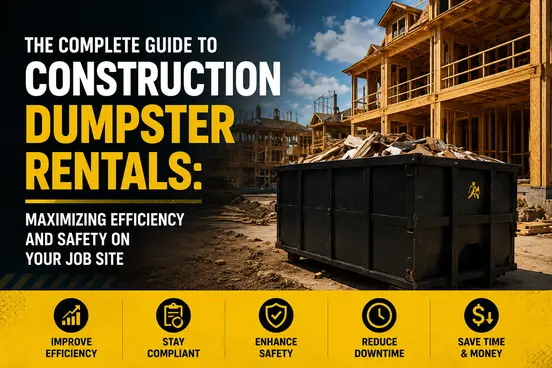
In the fast-paced, high-stakes world of commercial and residential construction, project managers and general contractors are required to juggle an immense multitude of moving parts on a daily basis. From painstakingly coordinating specialized subcontractors and meticulously managing supply chain deliveries to ensuring strict adherence to evolving architectural blueprints and municipal building codes, the sheer volume of logistical oversight required to bring a build to completion is staggering. Amidst all of this highly complex coordination, one of the most critical, yet frequently underestimated, components of a successful build is the implementation of a highly reliable, heavily structured waste management strategy. Without a dedicated construction dumpster rental plan securely in place from day one, a job site can rapidly descend into absolute chaos.
Construction and Demolition (C&D) waste is entirely unique compared to standard municipal or residential waste. The sheer physical volume, incredible density, and vast variety of the debris generated on a daily basis during a build—ranging from massive shards of broken concrete and heavy lengths of framing timber to thousands of square feet of torn drywall and jagged scrap metal—demand heavy-duty containment solutions. When waste management is treated as an afterthought, the consequences are immediate and severe. Piles of unmanaged debris instantly create severe trip hazards for skilled tradesmen, block critical access pathways for heavy machinery and material deliveries, significantly increase the risk of workplace injuries, and inevitably lead to catastrophic, budget-busting project delays. Furthermore, unsightly, mismanaged job sites draw the unwanted attention of municipal code enforcement officers, which can result in crippling fines or even immediate stop-work orders.
To actively prevent these costly logistical nightmares, savvy contractors and project managers heavily rely on commercial-grade roll-off dumpsters. This extensive, highly detailed guide is specifically designed to provide construction professionals with everything they need to know to optimize their job site waste management. We will thoroughly explore the unique demands of C&D waste, completely break down the strategic process of selecting the exact right dumpster size for various phases of a build, meticulously explain the critical importance of Department of Transportation (DOT) weight regulations, dive deep into environmental compliance and LEED certification reporting, and provide expert-level tips for scheduling seamless dumpster swap-outs. By mastering the intricate logistics of construction dumpster rentals, you will effortlessly streamline your workflow, fiercely protect your profit margins, and ensure your job site remains a paragon of safety and efficiency.
The Unique Logistical Demands of Construction Waste Management
Before diving into container sizes and pricing structures, it is absolutely vital to understand exactly why construction waste requires a highly specialized approach. Managing a commercial build or a massive residential gut-renovation is absolutely nothing like cleaning out a residential garage or clearing a small basement. The materials, the pace of generation, and the strict legal regulations surrounding disposal are entirely different beasts that require commercial-grade infrastructure.
Why Construction Debris is Fundamentally Different
The primary factor that sets construction waste apart from everyday garbage is extreme material density. A standard residential garbage bag filled with paper, plastic, and food waste might weigh a maximum of 20 to 30 pounds. Conversely, a single cubic yard of broken roofing shingles can easily weigh over 400 pounds, while a single cubic yard of solid concrete can weigh a staggering 4,000 pounds. This extreme weight introduces massive logistical challenges regarding exactly how the waste is physically loaded, how much a single container can legally hold before becoming dangerously overweight, and how the transport truck safely navigates public highways to reach the local landfill or recycling transfer station.
Additionally, the sheer physical bulk and awkward shape of construction materials demand specialized open-top containers. Long pieces of jagged rebar, 16-foot framing studs, massive sheets of broken plate glass, and entire bathtubs or HVAC units physically cannot fit inside enclosed, standard commercial front-load dumpsters. Construction roll-off dumpsters are highly engineered with low-entry swinging rear doors specifically to accommodate the physical realities of moving heavy, awkwardly shaped demolition debris safely into the containment unit using wheelbarrows, skid steers, or manual labor.
The Hidden, Compounding Costs of Poor Waste Planning
Failing to implement a robust dumpster strategy directly attacks a contractor's bottom line in highly insidious ways. The most immediate hidden cost is expensive labor waste. If a job site lacks adequate dumpster capacity, highly paid, skilled tradesmen—such as master carpenters, licensed electricians, and expert plumbers—are forced to waste their valuable billable hours manually moving piles of debris out of their way just to access their work area. Paying a highly specialized tradesman their premium hourly rate to act as a glorified janitor because a dumpster wasn't ordered on time is one of the fastest ways to destroy a project's profit margin.
Furthermore, unmanaged waste drastically increases liability. Construction sites are inherently dangerous environments, and scattered debris exponentially increases the statistical likelihood of trips, falls, puncture wounds from stray nails, and severe lacerations. A single worker's compensation claim stemming from a messy, disorganized site can cost a construction company tens of thousands of dollars in direct medical costs and massively increased insurance premiums. A strategically placed, properly sized dumpster is essentially an affordable insurance policy against site disorganization.
Strategically Choosing the Right Construction Dumpster Sizes
Selecting the perfect dumpster size is the absolute foundation of an efficient waste management plan. In the construction industry, container needs drastically shift and evolve depending on the specific phase of the project. The demolition phase requires entirely different containment solutions than the final finishing phase. Understanding the volumetric capacity and weight limitations of standard roll-off sizes will empower you to order the exact right equipment for the task at hand.
10-Yard and 15-Yard Dumpsters: Heavy Materials and Tight Spaces
While 10-yard and 15-yard dumpsters are frequently viewed as residential containers, they play an incredibly vital, highly specific role on commercial construction sites. These compact containers are almost universally utilized exclusively for managing extraordinarily heavy, dense "inert" materials. Inert materials include concrete, red brick, cinder blocks, asphalt, gravel, and excavated dirt. Because these heavy materials are so incredibly dense, attempting to fill a larger 30-yard or 40-yard dumpster with them would result in a container that weighs tens of thousands of pounds, completely destroying the hydraulic lifting capabilities of the transport truck and massively violating federal highway weight laws.
Therefore, waste management companies strategically deploy these smaller 10 and 15-yard dumpsters specifically for heavy C&D recycling. Additionally, their compact footprint makes them incredibly valuable for urban construction projects operating in dense metropolitan environments with highly restricted street access, narrow alleyways, or severely limited parking availability where a massive 40-yard container simply cannot physically fit.
20-Yard and 30-Yard Dumpsters: The Reliable Workhorses of the Industry
The 20-yard and 30-yard roll-off dumpsters are universally recognized as the absolute workhorses of the construction industry. A 20-yard dumpster is typically heavily favored for mid-sized renovations, massive residential roof tear-offs (easily capable of holding up to roughly 3,000 square feet of heavy asphalt shingles), and deck removals. Its moderate wall height (usually around 4 feet tall) allows workers to relatively easily toss standard debris over the sides, while the swinging rear door easily accommodates heavier, bulkier items.
The 30-yard dumpster is the absolute go-to choice for massive interior demolitions, whole-home framing projects, and major commercial renovations. Capable of holding approximately 9 to 12 full pickup truck loads of varied debris, this massive container features high steel walls (typically around 6 feet tall). Because loading over the towering sides is practically impossible and highly dangerous, the rear swinging door becomes absolutely critical. Project managers frequently utilize 30-yard dumpsters to handle massive volumes of torn-out drywall, mountains of framing lumber, bulky cabinetry, and large-scale flooring removal.
40-Yard Dumpsters: Maximum Volumetric Capacity for Major Developments
When a project reaches an enormous scale—such as building a sprawling new commercial warehouse, completely gutting a massive multi-story office building, or executing a massive multi-family apartment development—the 40-yard dumpster becomes an absolute necessity. As the largest standard size available in the commercial roll-off industry, a 40-yard container offers a staggering 40 cubic yards of volumetric capacity. To put this into perspective, it can comfortably hold the equivalent of 12 to 16 fully loaded, heavy-duty pickup trucks.
However, utilizing a 40-yard dumpster requires careful strategic planning. Because of its massive volume, it is strictly reserved for large amounts of lighter, highly bulky debris—such as massive cardboard appliance boxes, lightweight metal framing, thousands of feet of PVC piping, massive amounts of plastic wrapping, and standard lumber. Attempting to fill a massive 40-yard container with heavy materials like wet roofing shingles or thick concrete would result in an instantly un-haulable, dangerously overweight load. Furthermore, these massive containers stretch over 22 feet in length, requiring a massive amount of wide-open, completely unobstructed real estate on the job site for safe delivery and placement.
Mastering the Complexities of Weight Limits and Road Regulations
One of the most frequent, expensive mistakes novice contractors make is hyper-focusing exclusively on the volumetric size (the cubic yardage) of the dumpster while completely ignoring the critical, legally binding weight limit. Understanding how weight limits operate is absolutely paramount to protecting your budget and ensuring your waste provider can safely service your site.
Understanding Gross Vehicle Weight Rating (GVWR)
Every single commercial roll-off truck is legally bound by a strict Gross Vehicle Weight Rating (GVWR) established by the Department of Transportation (DOT). This rating dictates the absolute maximum total weight the truck can safely weigh when driving on public roads, including the weight of the truck itself, the steel container, the driver, the fuel, and the loaded waste. If a truck exceeds this legal limit, the driver faces massive, immediate fines, severe points on their commercial driver's license (CDL), and the highly likely possibility of the truck being impounded on the side of the highway.
Because of these severe legal realities, waste management companies write strict weight allowances deeply into their rental contracts. For example, a 30-yard dumpster rental might come with a flat-rate allowance of exactly 4 tons (8,000 pounds) of disposal. If your crew fills that container with heavy plaster and wet wood, and the container crosses the landfill scale weighing 6 tons, you will be hit with a highly expensive, prorated "overage fee" for the extra 2 tons of weight. These overage fees can rapidly destroy a project's profit margin if not carefully monitored and planned for.
The Hidden Danger of "Water Weight"
A critical, often completely overlooked factor in construction waste weight is the profound impact of local weather. Roll-off dumpsters are entirely open to the elements. If your job site experiences a massive, multi-day torrential downpour, highly absorbent materials sitting inside the dumpster—such as torn-out carpeting, thousands of pounds of pulverized drywall, insulation, and old upholstery—will soak up thousands of pounds of water like a massive sponge. This "water weight" is completely real weight that you will be forced to pay for when the truck crosses the landfill scale. To aggressively combat this hidden expense, highly experienced project managers will specifically order large, heavy-duty tarps to securely cover their dumpsters during severe rainstorms, protecting their expensive weight allowance from the elements.
Navigating Strict Environmental Regulations: Accepted vs. Prohibited Job Site Materials
Construction and demolition sites generate a massive, highly complex matrix of chemical and physical materials. While standard dumpsters are incredibly versatile, state environmental agencies and private landfill operators enforce incredibly strict, non-negotiable regulations regarding exactly what can and cannot be safely buried in the earth. Violating these critical environmental rules is not just a breach of your rental contract; it is frequently a severe violation of state and federal environmental laws.
Universally Approved Construction and Demolition (C&D) Debris
Standard C&D debris is widely accepted and frequently actively recycled. This absolutely includes all standard framing lumber, plywood, OSB board, torn drywall, standard architectural glass, roofing materials (asphalt, metal, and slate), all types of residential and commercial flooring (carpet, tile, linoleum, hardwood), heavy masonry (brick, block, and concrete), and all non-hazardous scrap metals (copper piping, aluminum siding, steel beams). Most major waste providers actively sort these heavy C&D loads to extract valuable recyclable metals and crush concrete for road base, keeping a massive volume of waste entirely out of traditional landfills.
Highly Prohibited and Dangerous Hazardous Materials
Construction sites frequently uncover or utilize highly toxic, dangerous chemicals and materials that are universally banned from standard roll-off dumpsters. Placing these items in a standard container poses a massive fire risk, severely endangers the health of sanitation workers, and threatens catastrophic groundwater contamination.
Project managers must absolutely ensure their crews never place the following hazardous items into a rented dumpster:
- Liquid Paints, Thinners, and Solvents: While completely hardened, bone-dry paint inside a can is usually acceptable, liquid latex or oil-based paints, highly flammable lacquer thinners, and chemical strippers are strictly banned.
- Asbestos-Containing Materials (ACM): Frequently found in older buildings hiding in floor tiles, pipe insulation, popcorn ceilings, and mastic adhesives. Asbestos requires highly specialized, legally mandated remediation by licensed professionals and must be transported to a dedicated hazardous waste facility.
- Industrial Chemicals and Oils: Motor oil, heavy hydraulic fluid from heavy machinery, antifreeze, and industrial-strength chemical cleaners.
- Refrigerants and Freon: Commercial and residential HVAC units, massive deep freezers, and refrigerators cannot be disposed of until a licensed HVAC technician has safely evacuated the hazardous refrigerant gases.
- Treated Railroad Ties and Telephone Poles: These heavy timbers are deeply saturated with creosote, a highly toxic wood preservative that landfills legally refuse to accept due to severe leaching risks.
Advanced Job Site Logistics: Swap-Outs, Live Loads, and Strategic Site Placement
Securing the right size dumpster and understanding the rules is only half the battle; highly executing the physical logistics of the dumpster on the actual job site is what separates amateur contractors from seasoned, highly profitable professionals. Poorly planned dumpster placement can cripple job site workflow and cause massive delays.
Strategic Dumpster Placement for Optimal Workflow
The physical placement of the dumpster on the job site is a highly critical operational decision. The container must be placed in a highly accessible location where tradesmen can easily deposit waste without walking massive distances, yet it cannot block critical access points for heavy material deliveries, massive concrete mixer trucks, or emergency vehicles. On tight, highly congested urban job sites, project managers must carefully map out the exact "turning radius" required for the massive delivery truck to back in, safely drop the container, and easily exit the site without destroying delicate landscaping, newly poured concrete, or adjacent structures.
Furthermore, if a massive project requires the use of heavy skid steers, excavators, or extended telehandlers to load the dumpster over the high side walls, the dumpster must be strategically placed in a wide-open area with a highly compacted, completely level surface to ensure the heavy machinery can maneuver safely without tipping over or sinking deeply into soft mud.
Executing Seamless Swap-Outs and "Live Loads"
On massive, fast-paced commercial projects, a 30-yard dumpster can easily be completely filled in a single afternoon of heavy demolition. To prevent the entire job site from grinding to a devastating halt, project managers rely on highly coordinated "swap-outs" (also known as switch-outs). This involves scheduling a transport truck to arrive with a completely empty dumpster, drop it seamlessly on the site, and immediately winch away the completely full one in a matter of minutes. Establishing a highly communicative, airtight relationship with an incredibly responsive waste provider is absolutely crucial to ensuring these swap-outs happen exactly when needed, preventing expensive labor downtime.
In highly restricted urban environments (like busy downtown city streets) where leaving a dumpster overnight is strictly illegal or impossible due to severe space constraints, contractors frequently utilize a highly specialized service known as a "live load." In this scenario, the truck arrives, places the dumpster on the street, and the driver literally waits inside the cab (usually for a highly restricted window of 30 to 60 minutes) while the contractor's massive crew aggressively loads the debris as fast as physically possible. Once the container is full, the truck immediately hauls it away. This requires massive logistical coordination and an abundance of intense manual labor, but it entirely bypasses the need for complex, expensive street permits.
Sustainability and LEED Certification in Construction Waste
The modern construction industry is increasingly shifting toward massive environmental sustainability. Today, many massive commercial developments, state-funded government builds, and progressive corporate headquarters aggressively pursue LEED (Leadership in Energy and Environmental Design) certification. Achieving this highly coveted, extremely valuable certification requires strict adherence to aggressive waste diversion protocols.
Meeting Green Building Standards Through Waste Diversion
In a LEED-certified project, a massive percentage of the generated construction waste physically cannot be sent to a standard landfill; it must be demonstrably diverted and actively recycled. This requires partnering with a highly sophisticated waste management provider that possesses the advanced infrastructure to accept massive mixed loads of C&D debris, carefully run them through massive mechanical sorting facilities, and physically separate the wood, metal, cardboard, and concrete for heavy recycling.
More importantly, the waste provider must be able to generate highly detailed, legally auditable "waste diversion reports." These complex documents precisely track the exact tonnage of debris generated on your specific job site and mathematically prove exactly what percentage was successfully recycled versus landfilled. Without this critical, detailed reporting from your dumpster provider, securing valuable LEED points for waste management is physically impossible.
Partnering with the Right Waste Management Provider
Ultimately, your entire waste management strategy is only as strong and reliable as the commercial partner you choose to execute it. Selecting a provider based strictly on the absolute cheapest upfront price is a massive gamble that frequently backfires through terrible customer service, entirely missed pickups, and massive hidden overage fees buried deep in the fine print.
Demanding Reliability, Communication, and Transparent Pricing
When evaluating potential partners, professional contractors deeply prioritize operational reliability and completely transparent communication. You need a partner who explicitly guarantees delivery windows, quickly answers the phone when a sudden site emergency demands an immediate pickup, and possesses a massive, well-maintained fleet of trucks capable of keeping up with your aggressive construction schedule. Furthermore, heavily demand totally transparent, flat-rate pricing structures that explicitly outline exactly what weight is included, exactly what the overage fees are per ton, and exactly how many days are included in the rental. A highly professional partner operates with total transparency, allowing you to budget with absolute confidence.
Conclusion: Building a Rock-Solid Foundation for Job Site Efficiency
Successfully managing the massive, unpredictable flow of heavy waste on a construction site is an incredibly demanding, highly complex logistical challenge that requires proactive planning, deep industry knowledge, and flawless execution. By carefully analyzing your project's unique debris profile, accurately selecting the perfect heavy-duty container sizes, strictly enforcing safety and environmental protocols, and mastering the advanced logistics of site placement and rapid swap-outs, you completely neutralize one of the largest threats to your project's timeline and overall profitability.
A meticulously clean, highly organized construction site is an inherently safe, drastically more productive environment. It deeply boosts worker morale, prevents highly expensive injuries, fiercely protects your expensive materials from damage, and presents a highly professional, impressive image to your clients, investors, and local municipal inspectors. Never allow unmanaged debris to dictate the pace of your build or threaten your hard-earned profit margins.
By partnering with highly experienced, deeply reliable waste management professionals who intimately understand the extreme demands of the commercial construction industry, you effectively outsource this massive logistical headache. This allows you, as the project manager or general contractor, to focus 100% of your valuable energy and expertise entirely on what you do best: executing flawless construction, managing your specialized teams, and bringing complex, beautiful architectural visions into stunning reality, perfectly on time and safely under budget.
Are you ready to streamline waste management on your next massive construction project?
At First Priority Disposal, we specialize in providing heavy-duty, highly reliable construction dumpster rentals engineered specifically to meet the extreme demands of general contractors, commercial builders, and professional project managers. From massive 40-yard containers for major developments to specialized heavy-haul 10-yard bins for concrete demolition, our massive fleet and dedicated dispatch team ensure you have the exact capacity you need, exactly when you need it.
Stop letting terrible waste logistics slow down your valuable build. Visit firstprioritydisposal.com/services today to clearly view our comprehensive commercial solutions, secure highly transparent pricing, and schedule your rapid delivery. Let our seasoned experts handle the massive mess so you can keep your job site moving forward without missing a single beat.